- MOTIVSPRINT
- Posts
- Active Recovery: Why Easy Days Make You Better
Active Recovery: Why Easy Days Make You Better

Lyle Agagon
March 19, 2026
Sponsored by

Websites That Bring You Customers — Built in 72 Hours.
EXERCISE 🏋️♂️

Most people treat rest days like wasted days. They don't train, so they sit. That's a mistake.
Your body doesn't recover by doing nothing. It recovers by moving. Just not hard. That's active recovery. Low-effort movement that helps your body bounce back faster between hard sessions.
Two of the best active recovery tools are swimming and rebounding. Both are low-impact. Both keep your body moving without adding more stress to an already worked system.
Why Active Recovery Works
When you train hard, waste products build up in your muscle tissue. Blood flow slows once you stop moving. Soreness sets in.
Movement clears that out. It pushes fresh blood and oxygen into the muscles and helps flush waste out. Your body repairs faster.
The key is keeping the effort low. You're not training. You're maintaining flow. The moment it feels like a workout, you've gone too far.
Swimming
Water supports your body weight. That takes pressure off your joints, spine, and connective tissue. At the same time, it keeps every major muscle group moving.
After a hard leg session, running feels rough. Swimming doesn't. You can move your legs, get blood flowing, and flush out soreness without grinding your joints into the ground.
The water also provides gentle resistance. Enough to keep muscles engaged, not enough to stress them further.
What it does for you
Reduces inflammation through hydrostatic pressure — the light compression of water on your body
Improves circulation without spiking your heart rate
Allows full range of motion with zero joint impact
Lowers perceived effort, so you move more without realizing it
How to use it
Keep it slow. This is not lap training. Pick a comfortable stroke and move at a pace where you could hold a conversation. Aim for 20 to 30 minutes.
No pool? A cold soak or contrast shower — alternating hot and cold — hits some of the same circulatory benefits.
When to use it
The day after a hard session. Especially after lower body days, high-volume lifting, or long runs.
Rebounding
A rebounder is a small trampoline. What it does to your body goes beyond the obvious.
Your lymphatic system carries waste and immune cells through your body. Unlike your heart, it has no pump. It depends entirely on movement to keep flowing.
Bouncing drives the lymphatic system harder than most other exercises. This speeds up the removal of waste from your muscles. Exactly what you need after a hard training day.
What it does for you
Stimulates lymphatic drainage, clearing waste from muscle tissue faster
Improves circulation and oxygen delivery
Activates the core and stabilizer muscles with minimal effort
Reduces soreness when done within 24 hours of intense training
Very easy on the joints
How to use it
Keep the intensity gentle. A light bounce where your feet barely leave the surface is enough. You don't need to jump high. Ten to twenty minutes is plenty. You can mix in slow knee lifts or light twists to open up the whole body.
When to use it
Any recovery day. It works well in the morning before a long stretch of sitting. It also pairs well with a short walk.
Which One Should You Choose?
Both work. The right pick depends on what you have access to and what your body needs.
Swimming is better after your hardest training days. Use it when everything feels beat up. Not just one area.
Rebounding is better for daily movement and lymphatic drainage. It's also more accessible. You can do it at home in ten minutes.
If you have both, use swimming after your two hardest training days. Use rebounding on lighter days in between.
What to Avoid on Recovery Days
Training at moderate or high intensity — this defeats the purpose
Sitting completely still all day — passive rest slows the repair process
Stretching so hard it causes more muscle damage
Skipping sleep — active recovery supports it, but sleep is still the main driver
Recovery Is Part of Training
Recovery is not the absence of training. It's part of training. Swimming and rebounding give your body what it needs to repair, flush out waste, and come back ready. Use them consistently, and your hard sessions will start producing better results.
NUTRITION 🥑
Eat to Beat Stress: How Your Macros Affect Cortisol

Stress isn't just a mental problem. It's a physical one.
When you're stressed, your body releases cortisol. Cortisol is a hormone. In small amounts, it's useful. It gives you energy. It sharpens your focus. It helps you handle pressure.
But when cortisol stays high for too long, things break down. You lose muscle. You gain fat, especially around your midsection. Your sleep suffers. Your immune system weakens. Your energy crashes.
What most people don't know is that what you eat directly affects how much cortisol your body produces. And how fast it clears.
You can't eat your stress away. But you can eat in a way that keeps your stress response from spiraling.
The Connection With Cortisol and Food
Your body treats food as information. Certain eating patterns signal safety. Others signal a threat.
Skipping meals spikes cortisol. Eating too few carbs spikes cortisol. Eating too much sugar spikes cortisol, then crashes it. Eating too little protein leaves your body without the raw materials to manage stress hormones.
Every macro — protein, carbs, fat — plays a role in keeping cortisol balanced. When one is too low or too high, the whole system shifts.
Protein Is The Foundation
Protein is the most important macro for stress management.
Here's why. Cortisol breaks down muscle tissue for energy when the body is under stress. Adequate protein intake directly counteracts this. It gives your body amino acids to repair tissue and produce neurotransmitters, including serotonin and dopamine, which regulate mood and stress response.
Protein also slows digestion. This keeps blood sugar stable. Stable blood sugar means less cortisol released throughout the day.
What the research shows
Studies consistently show that low protein intake is associated with higher cortisol and poorer stress recovery. Higher protein intakes, particularly those rich in leucine and tryptophan, support better hormonal balance and faster cortisol clearance after stressful events.
Target
0.7 to 1 gram of protein per pound of body weight daily. For a 180-pound person, that's 126 to 180 grams per day.
Best sources:
Eggs — complete amino acid profile, easy to digest
Chicken and turkey — lean, high in tryptophan
Fatty fish like salmon and sardines — protein plus omega-3s, which also reduce inflammation
Greek yogurt — protein plus probiotics, which support gut health and cortisol regulation
Legumes — slower digesting, pairs well with other protein sources
Carbohydrates Are Not the Enemy
Low-carb diets are popular. They have real benefits for some people. But going too low for too long is a direct driver of elevated cortisol.
Your brain runs on glucose. When glucose is scarce, cortisol rises to pull stored energy from muscle and fat. This is fine in the short term. Long term, it keeps your stress system activated.
Carbohydrates also play a direct role in serotonin production. Serotonin is made from tryptophan, and carbs help move tryptophan into the brain. No carbs, less serotonin. Less serotonin, more stress and poor sleep.
What the research shows
Studies show that low-carbohydrate diets increase cortisol output during exercise and at rest. Moderate carbohydrate intake, particularly from whole food sources, is associated with lower cortisol levels and better mood stability.
Target
30 to 50 percent of your total daily calories from carbohydrates, depending on your activity level. More active days require more carbs. Rest days can be lower.
Best sources
Oats — slow digesting, stabilizes blood sugar
Sweet potatoes and white potatoes — nutrient-dense, easy to digest
Rice — clean energy, easy on digestion
Fruit — fructose plus fiber, replenishes liver glycogen which helps regulate cortisol
Legumes — carbs plus fiber plus protein
Timing matters. Eating most of your carbs around your workout — before or after — means your body uses them for energy and recovery rather than storing them. It also blunts the cortisol spike that comes with intense exercise.
Fats: The Hormone Builder
Cortisol is a steroid hormone. Steroid hormones are made from cholesterol. Cholesterol comes from dietary fat. Cut fat too low and your body loses the raw material it needs to manage hormones properly.
Healthy fats also reduce chronic inflammation, which is tightly linked to elevated cortisol. Omega-3 fatty acids in particular have been shown in multiple trials to directly lower cortisol output.
What the research shows
Omega-3 supplementation consistently reduces cortisol response to psychological and physical stress. Diets high in processed seed oils and trans fats do the opposite. They increase inflammatory markers and worsen the cortisol response.
Target
25 to 35 percent of total daily calories from fat. Prioritize unsaturated fats and omega-3s. Limit processed vegetable oils.
Best sources
Fatty fish — highest omega-3 content
Avocado — monounsaturated fats plus potassium, which helps regulate cortisol
Olive oil — anti-inflammatory, supports hormonal health
Nuts and seeds — mix of healthy fats plus magnesium, a mineral that directly lowers cortisol
Eggs — full-fat, nutrient-dense, underrated
The Anti-Stress Macro Ratio
There's no single perfect ratio that works for everyone. But research and practice point to a general range that keeps cortisol in check for most active adults:
Protein: 30 to 35 percent of total daily calories
Carbohydrates: 35 to 45 percent of total daily calories
Fat: 25 to 35 percent of total daily calories
For a 2,000-calorie day, that looks roughly like this:
150 to 175 grams of protein
175 to 225 grams of carbohydrates
55 to 75 grams of fat
These aren't rules. They're a starting framework. Adjust based on how you feel, your training load, and your stress levels.
What Wrecks Your Cortisol
Even with good macros, certain habits override the benefits:
Skipping meals, especially breakfast, spikes morning cortisol
Eating too little overall. Chronic calorie restriction is a major cortisol driver
Excess sugar and ultra-processed food cause blood sugar swings that trigger cortisol repeatedly throughout the day
Alcohol disrupts sleep, which sends cortisol through the roof the next day
Too much caffeine, especially on an empty stomach, raises cortisol directly
Get The Balance Right
Food doesn't just fuel your body. It signals your stress system.
Eat enough protein to protect muscle and support neurotransmitter production. Eat enough carbs to fuel your brain and keep serotonin up. Eat enough healthy fat to build hormones and reduce inflammation.
Get those three right and your body has a much better shot at keeping cortisol where it belongs.
BIOHACKING⚡
Cold and Heat: The Combo That Changes How Your Body Recovers
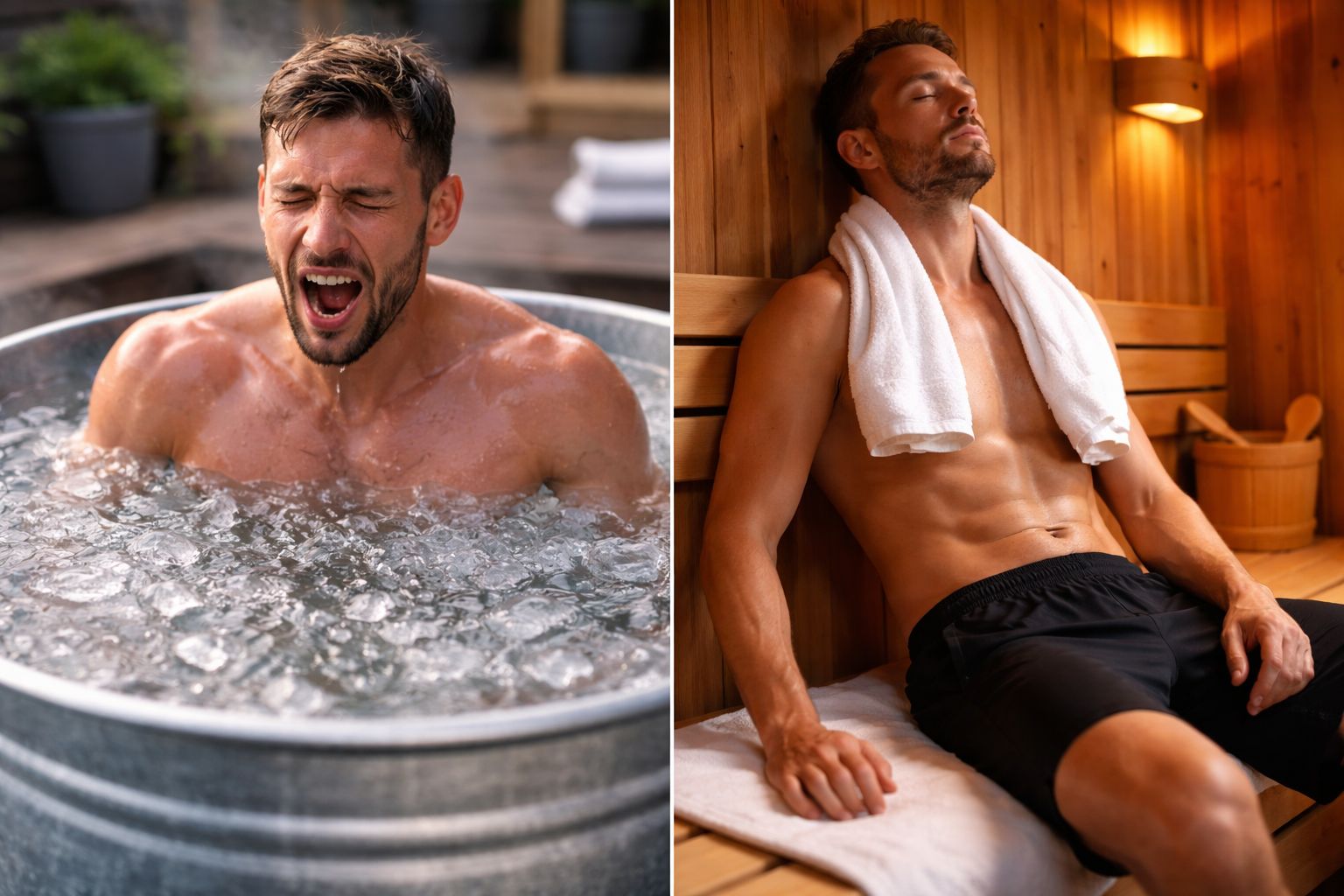
Cold therapy has been trending for years. Ice baths. Cold showers. Cryotherapy chambers.
Heat exposure has been around even longer. Saunas. Steam rooms. Hot soaks.
Most people use one or the other. Fewer people know that using both — in the right order — produces effects that neither one achieves alone.
This is cold thermogenesis and heat exposure combined. And the research behind it is stronger than the trend.
What Cold Does to Your Body
When you expose your body to cold, it responds immediately.
Blood vessels near the skin constrict. Blood gets pushed toward your core to protect vital organs. Your heart rate slows slightly. Your body starts burning more energy to generate heat — a process called thermogenesis.
At the cellular level, cold activates something called brown adipose tissue, or brown fat. Brown fat is different from regular fat. Its job is to generate heat by burning energy. Cold exposure activates and grows brown fat over time, which increases your metabolic rate even at rest.
Cold also triggers a release of norepinephrine, a neurotransmitter and hormone. Even brief cold exposure can raise norepinephrine by 200 to 300 percent. Norepinephrine improves focus, reduces inflammation, and elevates mood.
Key effects of cold exposure:
Increases norepinephrine — improves alertness and mood
Reduces inflammation and muscle soreness after training
Activates brown fat and raises metabolic rate
Improves insulin sensitivity
Strengthens the vagus nerve response, which supports recovery and stress regulation
What Heat Does to Your Body
Heat exposure, primarily through sauna, is one of the most researched recovery tools available.
When your body heats up, blood vessels dilate. Blood flow increases dramatically. Your heart works harder to circulate blood and cool the body. This is similar to moderate aerobic exercise, even though you're sitting still.
Heat also triggers the release of heat shock proteins. These are repair proteins. They fix damaged cellular structures, protect muscle tissue, and help prevent protein breakdown. Heat shock proteins are one reason sauna use is associated with muscle preservation and faster recovery.
Regular sauna use is also linked to significantly reduced cardiovascular disease risk. A long-term Finnish study found that men who used the sauna four to seven times per week had dramatically lower rates of heart disease and all-cause mortality compared to those who used it once per week.
Key effects of heat exposure:
Increases heat shock proteins — repairs cellular damage and protects muscle
Improves cardiovascular function and circulation
Raises growth hormone output — relevant for recovery and muscle preservation
Reduces cortisol and supports parasympathetic nervous system activity
Improves sleep quality when done earlier in the day
Flushes metabolic waste through increased blood flow and sweat
Why the Combination Works Better
Cold and heat each work on their own. Together, they work better. The combination amplifies them through a mechanism called vascular flushing.
Cold constricts blood vessels. Heat dilates them. Alternating between the two forces your circulatory system to pump harder and faster. Blood moves in and out of muscle tissue more aggressively than it would with either stimulus alone.
This accelerates the clearance of metabolic waste, such as lactic acid and inflammatory byproducts, from muscle tissue. It also drives more oxygen and nutrients into recovering tissue.
The contrast of cold and heat raises norepinephrine higher than cold alone. It also triggers more heat shock proteins than heat alone. You get both benefits in one session.
Research on contrast therapy, alternating hot and cold, consistently shows faster reduction in muscle soreness, improved perceived recovery, and better next-day performance compared to passive rest or single-modality treatment.
How to Do It
You don't need a professional setup. A cold shower and a hot bath work. A sauna and a cold plunge are ideal if you have access. Even alternating a hot tub and a cold pool covers the basics.
The protocol:
Start with heat — 10 to 20 minutes in a sauna or hot environment (target 170 to 195°F / 77 to 90°C)
Move to cold — 2 to 5 minutes of cold water exposure (50 to 60°F / 10 to 15°C). Cold shower, ice bath, or cold plunge.
Return to heat — 10 minutes
End with cold — 1 to 3 minutes
Total session: 25 to 40 minutes
Always start with heat. Ending on cold produces the strongest norepinephrine response and leaves you alert and energized. Ending on heat is more relaxing, better for evening use before sleep.
When to Use It
After hard training:
Do the full contrast protocol within a few hours of an intense session. This is when the recovery benefits are highest. Muscle soreness clears faster. You'll feel better the next morning.
On recovery days:
A shorter session — 10 minutes of heat, 2 minutes of cold, 10 minutes of heat — keeps circulation moving on days you're not training hard.
For stress and mental recovery:
Both heat and cold independently reduce cortisol and support the parasympathetic nervous system. Combined, the effect is stronger. A mid-week contrast session during a high-stress period can meaningfully shift how you feel within hours.
Safety and Common Mistakes
Hydrate before and after. You lose significant fluid through sweat in the sauna.
Don't use this immediately after a workout if hypertrophy is your primary goal. Some research suggests that cold right after lifting may reduce muscle growth. Wait a few hours, or use it on non-lifting days
Start shorter than you think you need — 5 minutes of heat, 1 minute of cold — and build up over weeks
Never do this alone if you're new to it. Extreme temperature changes can cause dizziness.
Avoid if you have cardiovascular conditions without clearing it with your doctor first
No Sauna? No Problem
A hot shower followed by a cold shower gives you most of the benefits. It won't replicate the full heat shock protein response of a proper sauna, but it drives vascular flushing and norepinephrine release effectively.
Protocol: 3 to 5 minutes of hot water, 1 minute of cold, repeat two to three times. Finish cold.
Accessible, free, and takes less than 15 minutes.
To Sum Up
Cold and heat are powerful on their own. Together, they push your recovery, metabolism, and stress response in ways that passive rest can't match.
The science is solid. The barrier to entry is low. And unlike most biohacks, you'll feel the difference the same day you try it.
Start this week. One sauna session followed by a cold shower. That's enough to see what it does.
Need a website that actually brings you customers?

SprintLaunch Digital builds high-converting websites in 72 hours.
✔ Mobile-first
✔ Fast load speeds
✔ SEO-ready
⚡ Start your website sprint today:
https://sprintlaunchdigital.com
CHALLENGE💪
Your Challenge This Week: One Active Recovery Session

This week, you're replacing one rest day with one active recovery session.
Pick either swimming or rebounding. If you have access to a pool, use it. If not, a rebounder works. No equipment at all? A 25-minute easy walk counts as your starting point.
Here's what to do:
Pick the day right after your hardest training session of the week
Do 20 to 30 minutes of easy swimming or 15 to 20 minutes of light rebounding — gentle bounce, barely leaving the surface
Keep the effort low. You should be able to breathe normally the entire time. If you're winded, slow down.
Right after: note your soreness level on a scale of 1 to 10
Check in again the next morning. Write down that number too.
That's it. One session. Two data points.
QUOTE OF THE WEEK 💬
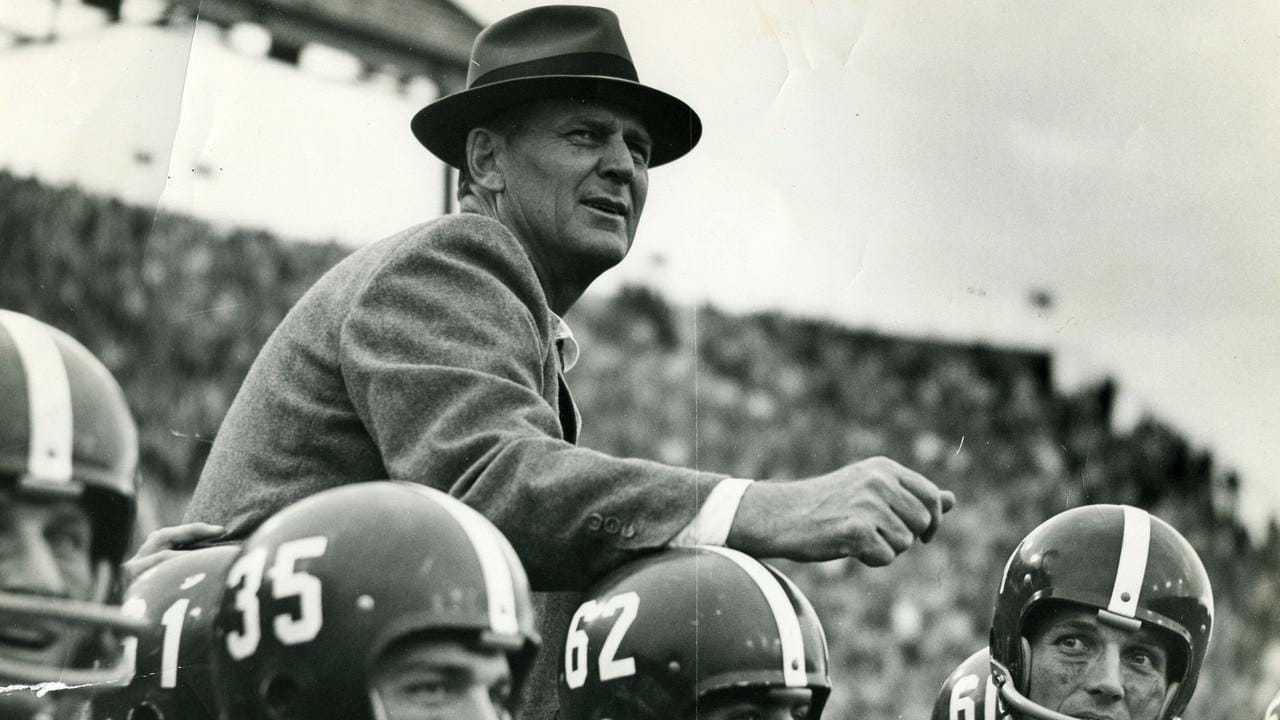
"It's not the will to win that matters — everyone has that. It's the will to prepare to win that matters." — Bear Bryant
MERCH 👕

 Janelle: Women’s Tee |  Patrick: Coffee Mug |
 Melissa: Unisex Hoodie |  Rodney: Trucker Hat |
Spread the Word!
If you found this content informative, thought-provoking, entertaining, enjoyable, life-saving, or simply awesome, don’t be greedy! Share. It’s FREE!

Reply