- MOTIVSPRINT
- Posts
- Break Down to Build Up: The Science of Hormetic Training
Break Down to Build Up: The Science of Hormetic Training

Lyle Agagon
March 12, 2026
Sponsored by

Websites That Bring You Customers — Built in 72 Hours.
EXERCISE 🏋️♂️
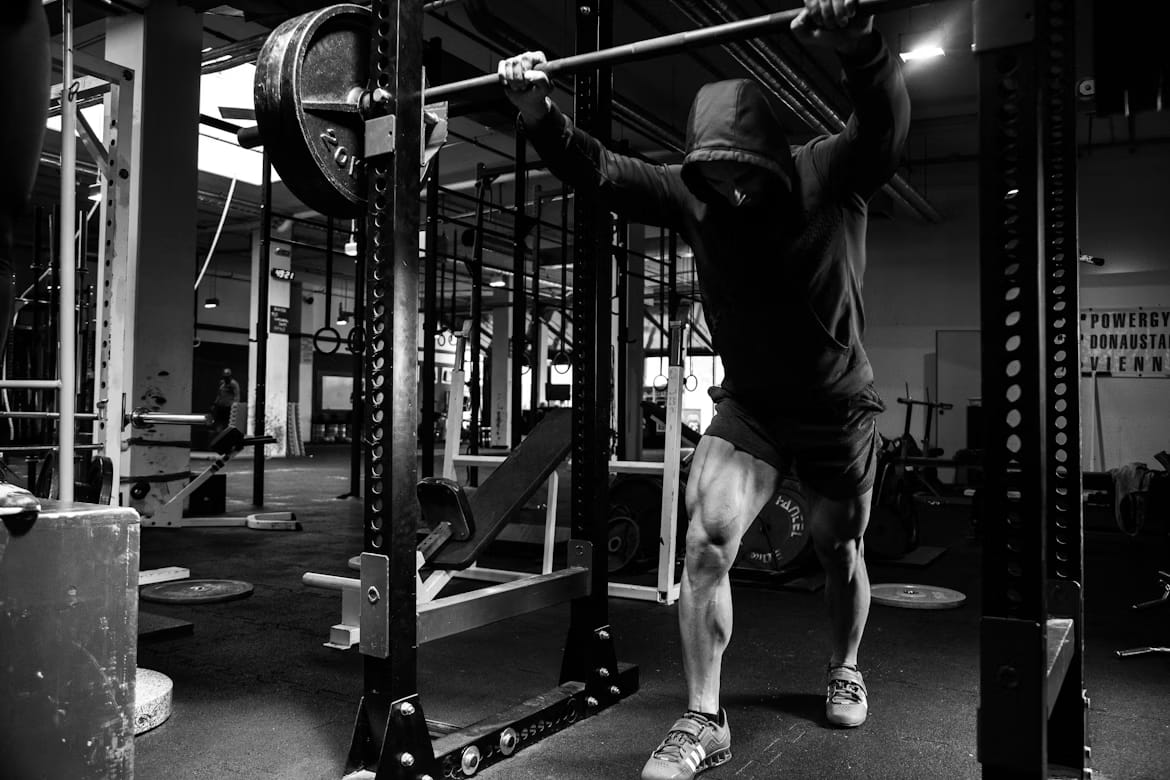
Many people think the goal of training is to avoid stress. Wrong. The goal is to use the right amount of stress. On purpose. At the right time.
That's the idea behind hormetic training. And once you understand it, you'll never look at a hard workout the same way.
What Is Hormesis?
Hormesis is a simple concept. It means that small doses of a stressor make you stronger. Too little does nothing. Too much breaks you. But the right amount? That's where the magic lives.
Think about sunlight. A few minutes in the sun gives you vitamin D and boosts your mood. A few hours without sunscreen gives you a burn. Somewhere in between, your body adapts and benefits.
Exercise works the same way. When you lift a heavy weight or sprint hard up a hill, you're stressing your muscles, your cardiovascular system, and your nervous system. That stress causes tiny damage. But your body doesn't just repair that damage. It overcompensates. It rebuilds stronger than before. That overcompensation is how progress works.
The Overreach-Recover Cycle
Most people train at a comfortable pace all the time. They work hard enough to feel tired, but not hard enough to actually push their body to adapt in a meaningful way. They stay in their comfort zone. And they wonder why they're not making progress.
Hormetic training means intentionally overreaching. Pushing harder than you normally would, then giving your body the recovery it needs to come back stronger.
This is different from overtraining. Overtraining is what happens when you push too hard for too long without letting your body recover. Overreaching is strategic. It's planned. It's temporary.
Think of it like this: you stress the system, you step back, and your body does the work of rebuilding. The stress is the signal. The recovery is where the gains happen.
Athletes have used this principle for decades. They call it periodization. The idea is to cycle through phases of harder training and easier recovery over weeks, months, and even years. You don't always go hard. But when you do go hard, you go hard on purpose.
What Happens Inside Your Body
Your body responds when you push past your comfort zone. Muscle fibers tear at the microscopic level. Your body repairs those tears with more tissue than before. That's muscle growth.
Your cardiovascular system gets the signal that it needs to become more efficient. Your heart gets stronger. You build more capillaries to deliver oxygen to working muscles. Your lungs get better at moving air.
Your mitochondria — the tiny powerhouses inside your cells — multiply and get more efficient. More mitochondria means more energy output. That's why trained athletes feel energized doing things that would exhaust untrained people.
Your nervous system gets sharper, too. Neural pathways that coordinate movement become more efficient. That's why skilled athletes make hard things look easy.
None of this happens without stress. It only happens because of stress. The right kind, at the right dose.
How to Apply This to Your Week
You don't need to train like a professional athlete to use hormetic principles. You just need to be intentional about how you structure your week.
Step 1: Identify Your Hard Days
Pick 1–2 days per week as your high-stress training days. These are your overreach days. On these days, you push harder than usual. You add weight, increase speed, reduce rest, or do more total volume than you're used to. The goal is to finish the session feeling genuinely worked and not just a little sweaty.
Step 2: Let Recovery Follow Hard Days
The day after a hard session, you recover. That means either complete rest or a very easy movement session — light walking, gentle stretching, or swimming at a relaxed pace. This is where adaptation happens. Skip it, and you cut off the entire process.
Step 3: Train Moderate on Middle Days
The rest of your week is moderate training. Not easy, not brutal. Just consistent, solid work that maintains fitness without adding extra stress to an already tired body.
Step 4: Build In Recovery Weeks
Every 4–6 weeks, take a full deload week. Reduce your total training volume by 40–50%. Keep moving, but ease off. This is a full reset for your nervous system, joints, and hormonal state.
After a deload week, you'll often come back feeling stronger than you did before the break. That's not a coincidence. That's hormesis working exactly as it should.
Common Mistakes to Avoid
Going hard every day. This is the number one mistake. If every session is a max effort, your body never gets the chance to rebuild. You just accumulate fatigue until something breaks — your motivation, your sleep, or your body.
Ignoring the recovery signals. Feeling chronically tired, irritable, or seeing your performance drop are signs you've pushed past productive stress into damaging territory. When you see these signs, take it as data. Back off.
Confusing soreness with progress. Being sore after a workout just means you did something your body wasn't used to. That can be good. But constant, deep soreness is a warning, not a badge of honor.
Skipping sleep. Sleep is the primary driver of recovery. Most of your muscle repair happens during deep sleep. Without it, the hormetic cycle breaks down completely. Aim for 7–9 hours.
Who This Is For
Hormetic training works best if you've already got the basics down. If you're new to exercise, just building a consistent habit is the priority. The principles still apply. You just apply them at a lower intensity.
If you've been training consistently for 3+ months and feel stuck, this is probably the piece you're missing. You don't need a new program. You need a better rhythm of stress and recovery.
Let’s Recap
Your body adapts to what you demand of it. If you never push hard, it has no reason to get stronger. If you push hard without letting it recover, it breaks down. The sweet spot is intentional stress followed by intentional recovery. Overreach. Recover. Repeat.
That's hormetic training. And it's one of the most powerful tools in your fitness toolkit.
NUTRITION 🥑
Calm Your Stress From the Inside: Adaptogen-Rich Foods
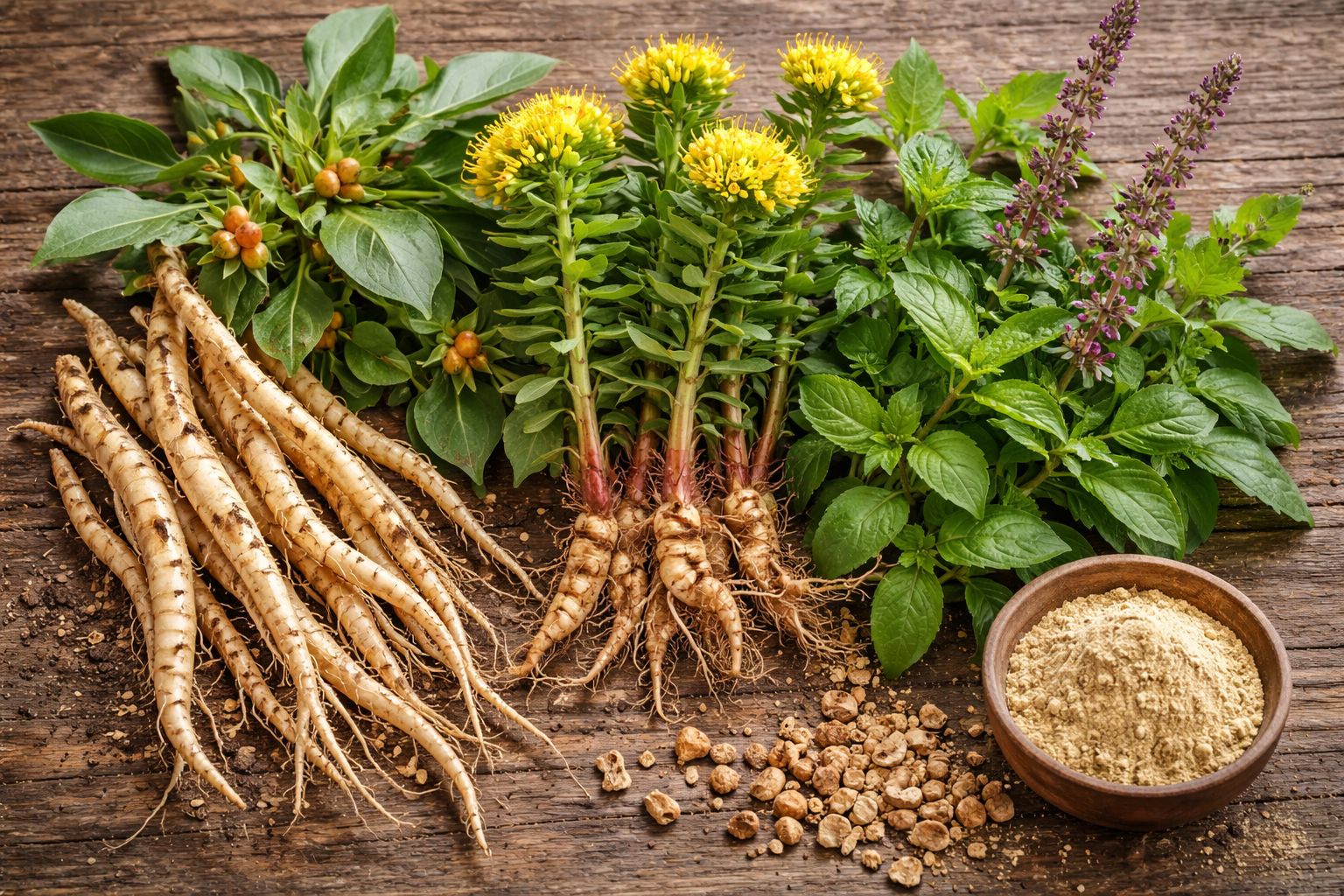
Stress is everywhere. Work. Traffic. Notifications. The never-ending list. Your body is constantly managing that load. Your adrenal glands pump out cortisol. Your nervous system stays on edge. Over time, that chronic state of low-level stress takes a toll on your energy, your sleep, your immune system, and your performance.
An adaptogen is a plant that helps your body adapt to stress. Adaptogens won't delete your to-do list. But they may help your body handle the pressure without burning out.
What Adaptogens Actually Do
When you face stress, whether physical, emotional, or environmental, your body's stress response kicks in. Hormones like cortisol and adrenaline surge. Your heart rate rises. Blood pressure goes up. Energy is diverted away from digestion, immune function, and recovery.
In small doses, that's a good thing. It helps you handle real danger. But modern life never turns it off. And a stress response that never shuts down will wear your body down.
Adaptogens work on the system that controls your stress response. They don't turn it off. They just dial it down a little. The highs aren't as high. The crashes aren't as deep. Your body handles stress better and bounces back faster when it's over.
The three best-studied adaptogens are ashwagandha, rhodiola, and holy basil. Each works through slightly different mechanisms. That's worth knowing when you decide which to try first.
Ashwagandha: The Cortisol Controller
Ashwagandha (Withania somnifera) is probably the most researched adaptogen in Western science. It's been used in Ayurvedic medicine for thousands of years, and now there's a growing body of clinical research to back it up.
What the research shows
Multiple clinical trials have found that ashwagandha reduces serum cortisol levels in chronically stressed adults. One well-cited study found participants taking a standardized ashwagandha extract saw a meaningful drop in cortisol and a significant improvement in self-reported stress and anxiety scores compared to placebo.
Beyond stress, some trials show improvements in sleep quality, testosterone levels in men, and physical performance measures like strength and VO2 max. These effects are modest but real.
The key active compounds are withanolides, natural steroids found in the root. These appear to act on GABA receptors in the brain, which is part of why ashwagandha has a calming effect without sedating you.
How to use it
• Dosage - 300–600mg of a standardized root extract (look for KSM-66 or Sensoril on the label — these are the forms used in most studies)
• Timing - Works well at night. It can improve sleep onset. Some people take it in the morning and report no issues either.
• Food sources - Ashwagandha root powder can be stirred into warm milk (a classic Ayurvedic preparation called 'moon milk'), added to smoothies, or mixed into oatmeal. The taste is earthy and slightly bitter — pair it with something sweet.
• Avoid - if you're pregnant, have thyroid conditions, or take immunosuppressants without checking with your doctor first.
Rhodiola: The Energy Stabilizer
Rhodiola rosea grows in cold, mountainous regions — Siberia, Scandinavia, and parts of Asia. People in these regions have used it for centuries to combat fatigue and improve endurance in harsh climates.
It's often described as an energizing adaptogen, which makes it distinct from ashwagandha. While ashwagandha tends to calm, rhodiola tends to sharpen.
What the research shows
Several clinical studies show that rhodiola reduces symptoms of burnout, improves cognitive function under stress, and decreases mental fatigue. One European study on individuals with stress-related burnout found rhodiola improved attention, cognitive function, and stress symptoms over 12 weeks.
Athletes and high performers are particularly interested in rhodiola because it appears to improve exercise capacity and reduce perceived effort during endurance activities. The effect sizes are small, but they're real and consistently reproduced.
The main active compounds are rosavins and salidroside. These appear to influence dopamine and serotonin pathways and may help regulate how your body uses energy during stress.
How to use it
• Dosage - 200–400mg standardized extract (look for 3% rosavins and 1% salidroside on the label)
• Timing - Take it in the morning or before exercise. It can be mildly stimulating, so evening use may interfere with sleep for some people.
• Food sources - Rhodiola is less common as a food ingredient. It's most practical as a capsule or a tincture added to tea or water.
• Cycling - Some practitioners recommend cycling — 5 weeks on, 1 week off — though research on this is limited. Listen to your body.
Holy Basil: The Inflammation Soother
Holy basil (Ocimum tenuiflorum), also called tulsi, is a sacred plant in Indian culture. Every part of it has been used medicinally for millennia. Modern science is now catching up on why.
Holy basil is the mildest of the three. But it works on a lot of systems — stress, immunity, blood sugar, and more.
What the research shows
Studies show that holy basil can reduce both psychological and physiological markers of stress. It also seems to have meaningful anti-inflammatory effects. This is important because chronic stress and chronic inflammation are tightly linked. When you're stressed for a long time, inflammation rises. Holy basil may help interrupt that cycle.
Some research also shows improvements in blood sugar regulation and cognitive function, particularly memory and attention. The active compounds include eugenol, rosmarinic acid, and various flavonoids, a broad mix that affects multiple pathways.
How to use it
• Dosage - 300–600mg of standardized extract, or 1–2 cups of tulsi tea daily
• Timing - Tulsi tea is naturally calming and works well in the evening
• Food sources - This is the most food-friendly adaptogen. Fresh tulsi leaves can be added to salads, stir-fries, and curries. It tastes like a peppery, slightly clove-flavored basil. Dried tulsi is widely available as loose-leaf tea — steep for 5–10 minutes.
• Bonus - It's easy to grow on a windowsill if you want a fresh supply year-round
Can You Stack Them?
Yes. Many people use all three together, especially in periods of high stress or heavy training. Because they each work differently, they pair well together.
A simple daily stack might look like this:
• Morning: Rhodiola (300mg) with coffee or tea
• Evening: Ashwagandha (400mg) before bed
• Throughout the day: A cup or two of tulsi tea
That said, start with one and spend a few weeks noticing how you feel before adding another. It's easier to track effects when you make one change at a time.
What to Expect and What Not to Expect
Adaptogens are not stimulants. You won't feel a rush. The effects are subtle and build over time (typically 2–4 weeks) before you notice a meaningful shift.
Most people describe the experience as feeling less reactive. Less likely to spiral when something goes wrong. More able to get through a hard day without feeling completely wrecked at the end of it.
They're also not a substitute for the fundamentals. Sleep, exercise, and good nutrition are still the foundation. Adaptogens are a complement to those things, not a replacement.
And as always, if you're on medication or have a health condition, talk to your doctor before adding any supplement to your routine.
Give It a Shot
Your stress system is under constant pressure. Adaptogens like ashwagandha, rhodiola, and holy basil give your body tools to handle that pressure more effectively.
The research is promising but not conclusive for everyone. The risks are low. The practical barriers are minimal.
Start with tulsi tea tonight. See how you feel after a week. That's a low-risk way to begin.
BIOHACKING⚡
Listen to Your Body's Secret Signal: HRV & Biofeedback Training
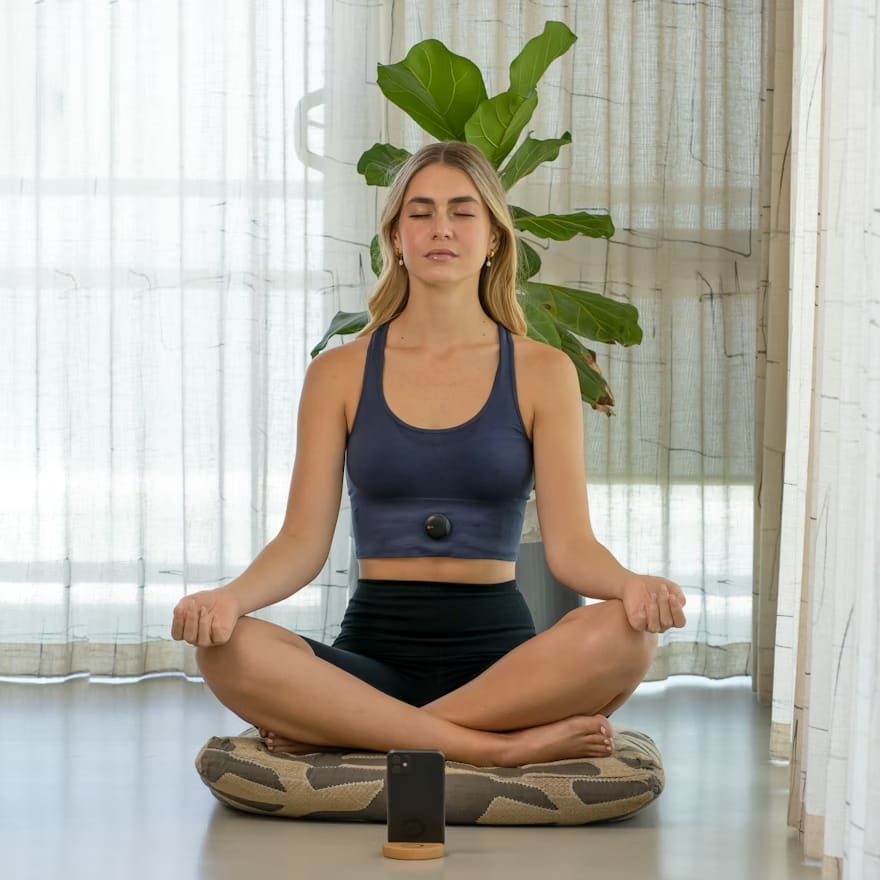
Your heart doesn't beat like a metronome. It beats irregularly. On purpose. And that irregularity tells you more about your health and recovery than almost any other metric you can measure.
This measurement is called heart rate variability (HRV). And learning to use it might be the single most practical biohack you can add to your training toolkit right now.
What HRV Measures
Heart rate variability measures the variation in time between consecutive heartbeats. If your heart rate is 60 beats per minute, that doesn't mean one beat every exactly one second. Some gaps are slightly longer, some slightly shorter. HRV captures that variation.
Higher variability generally means your autonomic nervous system is flexible and responsive. Lower variability often signals that your body is under stress — physical, emotional, or both.
Your autonomic nervous system has two modes:
• Sympathetic - the gas pedal. Fight-or-flight. Activated during stress, exercise, illness.
• Parasympathetic - the brake. Rest-and-digest. Activated during recovery, sleep, calm.
HRV reflects the balance between these two. When your parasympathetic system is dominant, meaning you're well-rested, low-stress, and recovered, your HRV is high. When your sympathetic system is dominant, when you're overtrained, sick, or emotionally burned out, HRV drops.
It's your nervous system's report card. And it updates every single morning.
Why It Matters for Performance
Here's the problem with most training plans: they're built on a calendar, not on your actual readiness.
Monday is leg day. Wednesday is intervals. Saturday is long run. The schedule says go, so you go. But what if your body isn't ready? What if you're still recovering from a hard week, a bad night of sleep, or a stressful period at work?
Ignoring readiness and forcing the schedule is how most people accumulate fatigue without knowing it. Performance plateaus. Recovery slows. Injuries creep in.
HRV gives you an objective signal. On days when your HRV is notably lower than your personal baseline, your body is telling you it needs more recovery. On days when it's elevated, you're ready to push.
Training based on readiness instead of a fixed calendar is one of the biggest differences between how elite athletes train and how most people train.
Measuring HRV (Without a Lab)
You don't need expensive equipment. Here are the most practical options:
Option 1: A Chest Strap + App
The most accurate consumer-grade option. A Polar H10 chest strap paired with an HRV app like Elite HRV or HRV4Training gives you research-grade accuracy. You take a 5-minute morning reading while lying still in bed, and the app tracks your trends over time.
Option 2: A Wrist-Based Wearable
Devices like the Whoop strap, Garmin smartwatches, and the Oura Ring all measure HRV during sleep. They're less accurate than a chest strap for precise readings, but they're excellent for tracking trends, which is really what matters. Most give you a daily readiness score based on HRV and other metrics.
Option 3: Your Phone Camera
Apps like HRV4Training let you use your phone's camera to measure pulse at your fingertip. It's not as precise as a chest strap, but it's free and surprisingly consistent for trend tracking. Press your finger to the camera for 60 seconds each morning and log the result.
Reading Your Numbers
Your HRV number means nothing on its own. It only matters compared to your own average. A reading of 40ms might be excellent for one person and poor for another. Don't compare your absolute numbers to someone else's. Compare your numbers to your own rolling average.
Most HRV apps do this automatically. They'll give you a baseline window, usually 60 days, and show you whether today's reading is high, low, or normal relative to your personal range.
A simple decision framework:
• HRV significantly above baseline: Great day to train hard. Push it.
• HRV within normal range: Train as planned. Moderate intensity is fine.
• HRV significantly below baseline: Consider a recovery session, easy movement, or a rest day. Something is draining your system.
'Significantly' typically means more than 10–15% above or below your average. Let your app guide you. Most do this automatically with color coding.
Teaching Your Nervous System
HRV monitoring tells you your current state. Biofeedback training teaches you to change that state on purpose.
The best-studied form of HRV biofeedback is called coherence breathing. The idea is simple. You slow your breath down to about 5–6 breaths per minute. Most people breathe 15–20 times per minute without thinking about it. Slowing way down syncs your breath with your heart rate, and that's where the benefits kick in.
At this breathing pace, HRV peaks. The sympathetic and parasympathetic systems come into balance. Stress hormones drop. Your focus sharpens. This state is measurable, reproducible, and learnable.
How to practice coherence breathing:
1. Find a quiet spot. Sit or lie down.
2. Inhale slowly for 5 seconds.
3. Exhale slowly for 5 seconds.
4. Repeat for 5–10 minutes.
That's it. No app required, though apps like Morphic or the Oura companion can guide you and show your HRV rising in real-time as you breathe.
With regular practice, even just 5–10 minutes a day, most people report reduced anxiety, better sleep, and faster recovery between training sessions. The research backs this up across multiple populations, including competitive athletes and individuals with anxiety disorders.
Practical HRV Protocol for Athletes
Here's a simple weekly structure you can implement today:
• Every morning: Take a 5-minute HRV reading before getting out of bed. Log it in your app.
• Before training: Check your readiness score. Adjust intensity accordingly — up or down.
• Pre-workout or pre-sleep: 5–10 minutes of coherence breathing to calm your nervous system.
• After hard sessions: Note how your HRV responds over the following 24–48 hours. This shows you your recovery rate and tells you a lot about how hard that workout actually was.
The Bigger Picture
HRV is a window into how your entire system is handling the demands placed on it. Training stress, work stress, sleep quality, hydration, and illness show up in your HRV trends.
Over time, you'll start seeing patterns. You'll notice that your HRV drops after nights with alcohol. It rises after consistent sleep. That certain types of workouts tank it more than others. That stress at work has a measurable effect on your physical recovery. This isn't just fitness data. It's life data.
Now You Know
HRV turns the question 'should I push or recover today?' from a guess into a data-driven decision.
Start with a 30-day commitment. Measure every morning. Practice coherence breathing a few times a week. Keep a record of the changes.
Your body has been sending you this signal your whole life. Now you have a way to read it.
Need a website that actually brings you customers?

SprintLaunch Digital builds high-converting websites in 72 hours.
✔ Mobile-first
✔ Fast load speeds
✔ SEO-ready
⚡ Start your website sprint today:
https://sprintlaunchdigital.com
CHALLENGE💪
Your Challenge: The One-Week Hormetic Reset

This week, you're going to run one intentional overreach session and one intentional recovery day right after.
Here's what to do:
The Overreach Session (Pick Any Day This Week)
Choose a workout you normally do — lifting, running, cycling, bodyweight training. Whatever you want.
Now do this:
Add 20% more volume than you normally would. If you usually do 4 sets, do 5. If you usually run 30 minutes, run 36. If you usually do 12 reps, do 15.
Cut your rest periods by 20%. If you usually rest 90 seconds between sets, rest 72.
Push through. Finish the session. You should feel genuinely worked — more taxed than a normal session.
Right after: write down how you feel on a scale of 1–10 for energy and effort.
The Recovery Day (The Day Right After)
Do not train hard. This is non-negotiable.
Instead, pick one of these:
20–30 minute easy walk outside
Light stretching or yoga (30 minutes, nothing intense)
Easy swim or bike ride at a conversational pace
That evening, get to bed 30 minutes earlier than usual. Sleep is where the adaptation happens.
By the End of the Week
Check in with yourself. Do you feel any different than you normally do mid-week? More recovered? More energized going into your next session?
This is your first taste of intentional stress-and-recover cycling. Run this pattern a few times and watch what happens to your strength, energy, and overall performance.
One hard day. One recovery day. That's the whole challenge.
QUOTE OF THE WEEK 💬
"Perfection is not attainable, but if we chase perfection we can catch excellence." Vince Lombardi

MERCH 👕

 Janelle: Women’s Tee |  Patrick: Coffee Mug |
 Melissa: Unisex Hoodie |  Rodney: Trucker Hat |
Spread the Word!
If you found this content informative, thought-provoking, entertaining, enjoyable, life-saving, or simply awesome, don’t be greedy! Share. It’s FREE!

Reply