- MOTIVSPRINT
- Posts
- How to Age Strong: A Deep Dive Into Fitness, Food, Sleep, and Longevity
How to Age Strong: A Deep Dive Into Fitness, Food, Sleep, and Longevity

Lyle Agagon
May 14, 2026
Sponsored by

EXERCISE 🏋️♂️
Train to Outlive: The Anti-Aging Workout Plan
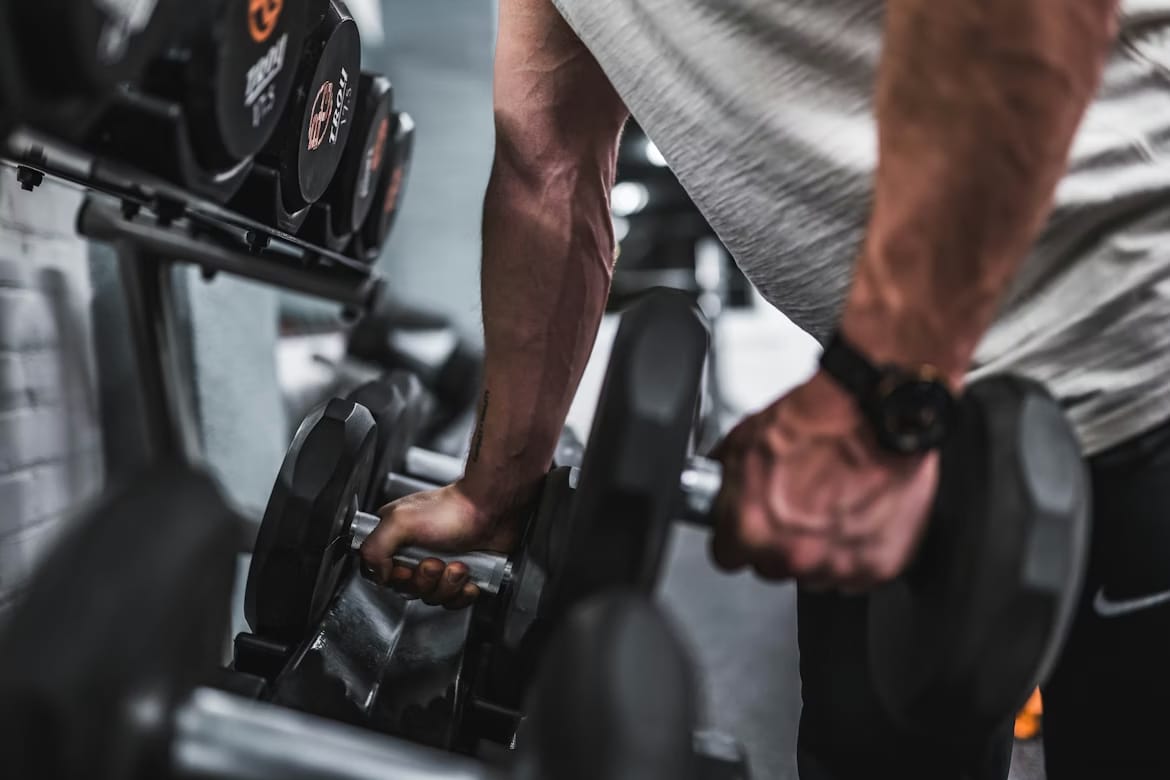
The people who stay active, independent, and healthy into their 70s and 80s usually aren’t just “lucky.” They kept moving. They stayed strong. They kept exercising consistently for years. Scientists pretty much agree on this now.
The good news is that the formula isn’t complicated. The habits that help you age well are lifting heavy a few days a week, building your aerobic base, and training a bit of explosive power. The mix matters more than any single piece.
The Big Four Markers Behind a Longer Life
When researchers track who lives the longest, the same four numbers keep showing up at the top:
VO2 max, which measures how well your body uses oxygen
Muscle mass, or how much lean tissue you carry
Strength, especially in your legs and grip
Body composition, your ratio of fat to muscle
A 2018 JAMA study of more than 122,000 adults found that low fitness was a bigger death risk than smoking or diabetes. A review in sports medicine looked at grip strength on its own and still predicted heart disease and cancer.
The encouraging part is that your body responds surprisingly fast to exercise. Within a couple of months, many people notice better energy, lower blood pressure, improved blood sugar, better sleep, and increased strength and endurance. Even at the cellular level, regular exercise helps your body function more like a younger version of itself.
1: Strength Training, 3 Days a Week
Muscle is the organ of longevity. After 30, the average adult loses 3 to 8 percent of muscle every decade. By 70, that adds up to weakness, falls, and a lot of lost independence.
The fix isn’t complicated: lift heavy things on a regular schedule. Build your program around compound lifts that use a lot of muscle at once.
Squat for legs and core
Deadlift for back, hips, and grip
Press for shoulders and chest
Pull for back and biceps
Load each lift heavy enough that the last two reps feel hard. Aim for 3 to 5 sets of 5 to 8 reps. Three full-body sessions a week are plenty for most people.
Add some accessory work where you’re weak: lunges, rows, planks, and heavy carries. The farmer’s walk in particular is a great exercise. Grab two heavy dumbbells, hold them at your sides, and walk for 30 to 60 seconds. You’ll train grip, core, and posture in one shot.
For progress, hit each main lift twice a week and add 2.5 to 5 pounds when you complete all your reps. The gains compound slowly, and a year of small jumps beats one heroic week followed by burnout.
2: Zone 2 Cardio, 3 to 4 Sessions a Week
This is the kind of cardio where you can still hold a conversation. It may feel “too easy,” but this type of training builds your aerobic base and improves heart health.
At Zone 2 intensity, your body grows new mitochondria, the tiny power plants inside every cell. More mitochondria means more energy, better fat burning, and a stronger, more efficient heart. Resting heart rate drops. Blood sugar improves. None of it is dramatic in any single session, but it stacks up week after week.
Sessions should run 45 to 60 minutes. Walk briskly, ride a bike, row, or jog at a pace that lets you carry a conversation. If you can speak full sentences without gasping, you’re in the right zone. If you can’t, slow down.
One easy field test: try reciting the alphabet without breaking. If you can, you’re at the right intensity. If you start chopping syllables, ease off until you can again.
3: VO2 Max Work, Once a Week
Of all the longevity markers, VO2 max sits at the top. Higher numbers track with longer lives across every study and population that has been measured.
To raise it, you need hard intervals, and one session a week is enough. The classic protocol is called “4 by 4,” and it goes like this:
Warm up for 10 minutes
Go hard for 4 minutes at roughly 90 percent of max effort
Recover for 4 minutes at a slow walk or light pedal
Repeat 4 times
Cool down for 5 minutes
Total time is about 40 minutes, and only 16 of those are actually hard. Pick whatever doesn’t beat up your joints: a bike, a rower, a steep hill, a stair climber.
Stay consistent, and your VO2 max can climb 10 to 15 percent over three to six months. It will probably be the hardest workout of your week, and it will also be the most useful one by a wide margin.
4: Power and Mobility, Two Short Sessions a Week
Power, the ability to produce force quickly, fades faster than raw strength as we age. By 50, the average person has lost explosive output twice as fast as their max strength. By 70, it can be the difference between catching yourself when you trip and ending up in a hospital bed.
Train it on purpose. Short sessions are all you need:
Box jumps, 5 sets of 3 reps
Medicine ball slams, 4 sets of 5
Kettlebell swings, 5 sets of 10
Broad jumps, 4 sets of 3
Each session takes 10 to 15 minutes.
Mobility matters too. A quick daily routine can include:
Deep squat hold
Hip mobility work
Spine rotations
Ankle circles
Short and frequent works better than a long stretch session once a week.
The Weekly Template
Put it all together and your week looks something like this:
Monday: strength (full body) plus 10-minute mobility
Tuesday: Zone 2 cardio for 45 to 60 minutes
Wednesday: strength (full body) plus a short power session
Thursday: Zone 2 cardio for 45 to 60 minutes
Friday: strength (full body)
Saturday: VO2 max intervals (4 by 4) plus a long walk
Sunday: rest, mobility, meal prep
Five to six training days, around five to seven hours total. For most adults, that’s less time than they currently spend on their phone.
What to Expect Month by Month
Here’s the rough timeline.
Month 1:
Sleep gets better. Afternoon energy comes back. The lifts feel awkward, but you stay consistent, and most people add 5 to 15 pounds to their main lifts in that first month alone.
Month 3:
Clothes start fitting differently. Resting heart rate drops 5 to 10 beats. Walks feel easier, and you recover faster between sets.
Month 6:
Real strength changes show up here. Numbers on the main lifts climb. Blood pressure and blood sugar improve at your next checkup.
Year 1:
Body composition shifts in a meaningful way: more muscle, less fat. VO2 max can climb 10 to 20 percent. You start to move like someone several years younger than you actually are.
None of this happens fast. But it will happen if you keep showing up.
Recovery Matters Too
Hard training breaks the body down. Recovery is what builds it back stronger. Most adults dial in the training and then ignore everything else, which is why their results stall.
Three habits do the real recovery work.
1. Sleep.
Seven to nine hours every night. Growth hormone, the body’s main repair signal, releases in deep sleep. Skip that, and your training adapts more slowly, or not at all.
2. Protein and carbs after training.
Aim for 30 to 50 grams of protein within a couple of hours of finishing your workout. Pair it with some rice, potatoes, fruit, or oats to refill muscle glycogen.
3. Real rest days.
One or two genuine days off per week. Easy walks and mobility are fine on those days. Pushing hard seven days a week shrinks results instead of growing them.
A few extras that help:
Foam roller or self-massage, 10 minutes a few times a week
Hot/cold contrast showers for circulation
A down week every 4 to 6 weeks, dropping volume by about 40 percent before returning fresh
When you feel run-down for more than a few days, take an extra rest day. The training will be there tomorrow.
Common Mistakes to Avoid
Skipping strength.
Cardio tends to get all the attention, but muscle is what protects you from the worst of aging. Lift.
Going hard every single day.
Three sessions a week at 90 percent effort beats six at 70. Recovery is where the body actually rebuilds.
Ignoring power work.
Light dumbbells in a slow tempo build muscle, but they don’t build the snap you’ll need to stay sharp at 80.
Quitting after a missed week.
Travel, illness, and busy stretches at work will eventually hit. The people who win in the long run are the ones who get back to training within a week of falling off.
The Bottom Line
Lift three days, walk fast for an hour or so on three more, push your limits in short bursts once a week, and move through full ranges of motion most days. That covers the training side of the blueprint.
Run it for a year, and you’ll feel and test like someone several years younger. Run it for ten, and you’ll be in better shape than almost anyone your age. The body adapts to whatever you ask of it on a regular basis. Strong, fast, and durable is a reasonable thing to ask for.
NUTRITION 🥑
Eat to Outlive: The Anti-Aging Plate

You can train hard and still age fast if your diet works against you. No supplement, no biohack, and no amount of exercise can fully make up for years of bad food. The good news is that the food side of longevity is simpler than the wellness industry wants you to believe.
Here’s what to actually eat, what to leave alone, and what to keep in the kitchen so the right choice is the easy one.
Start With Protein
Protein is the most under-eaten nutrient in the typical American diet, and the gap only gets wider after 40. Part of the reason is that older bodies use protein less efficiently. Researchers call this anabolic resistance. In plain language, you need more protein as you age, not less.
For most adults, the target is about 1 gram of protein per pound of body weight per day. A 160-pound person would aim for 160 grams, spread across four meals at 35 to 45 grams each. That keeps a steady supply moving through the day, which is what your muscles need.
Solid protein sources to lean on:
Eggs and Greek yogurt for easy mornings
Chicken, turkey, and lean beef as staples
Fish like salmon, sardines, and cod for protein plus omega-3 fats
Cottage cheese, which digests slowly and works well at night
Whey or plant protein powder when whole food is hard to fit in
If you eat plants only, you can still hit the number. You’ll just need more total food and a mix of sources like tofu, tempeh, edamame, lentils, and a decent protein powder.
Eat 30 Plants a Week
This number comes from the American Gut Project, which is the largest study ever done on the human gut. The pattern that jumped out: people who ate 30 or more different plant foods in a typical week had the most diverse, resilient gut bacteria.
“Plant” here means anything from the plant kingdom. This includes vegetables, fruits, beans, lentils, nuts, seeds, whole grains, herbs, and spices, all of which count toward the total.
A few easy ways to hit the number:
Build a rainbow plate by picking something from every color
Toss a mix of nuts and seeds on your yogurt
Use 3 to 5 spices in a meal — they count toward your weekly tally
Keep a bag of frozen mixed vegetables on hand for quick variety
Try one new plant every grocery trip
Variety beats volume. Three salads a day from the same five vegetables won’t get you to 30, but a single bowl with 12 different plant foods will get you halfway in one meal.
Build Every Meal Around Protein and Plants
A simple plate model works for almost any meal:
Half the plate is vegetables, cooked or raw
One quarter is lean protein, about the size of your palm
One quarter is a starch or whole grain like rice, potato, or quinoa
Add a thumb-sized portion of healthy fat (olive oil, avocado, nuts)
It’s the same pattern the longest-lived cultures share, from Okinawa to Sardinia to Loma Linda. Plain on purpose, and effective for the same reason.
Cut Ultra-Processed Food
Ultra-processed food (UPF) is the biggest single dietary risk we face today. These include chips, candy, soda, packaged cookies, frozen pizzas, sugary cereals, deli meats, and most snacks marketed as “diet” or “healthy.” A safe rule of thumb is the kitchen test: if the ingredients aren’t things you keep at home, it’s probably ultra-processed.
A 2024 BMJ review pooled data from 9.8 million people. The numbers are sobering:
Higher UPF intake linked to a 21 percent higher risk of early death
32 percent higher risk of obesity
22 percent higher risk of depression
50 percent higher risk of type 2 diabetes
Zero UPF isn’t the goal. Real life includes birthdays, road trips, and the occasional bag of chips. The aim is to keep it under 20 percent of your weekly food, which still leaves plenty of room for what you love without letting it run your plate.
A few simple swaps add up over time:
Sweetened yogurt to plain Greek yogurt with berries
Soda to sparkling water with lemon
Packaged granola bar to a handful of nuts and a piece of fruit
White bread to whole-grain sourdough
Boxed cereal to eggs and oats
Mind the Liquid Calories
Drinking your calories is the fastest way to overeat without feeling full. A daily sweet coffee drink, a soda at lunch, a beer or two at night, and you can be 800 calories over your target before you’ve eaten anything. Liquid sugar also hits your blood sugar harder than the equivalent in food.
Better choices are:
Water as the main drink, 90 to 120 ounces a day
Coffee (without the added sugar), 2 to 3 cups, is linked to lower risk of liver, brain, and heart disease
Tea, green or black, unsweetened
Sparkling water, flavored if you want
Milk, with full-fat dairy back in favor, in moderation
Alcohol: The Honest Take
Alcohol is another area where newer research has changed the conversation. The old idea that a daily glass of wine is healthy doesn’t really hold up anymore. Even moderate drinking can slightly raise cancer risk, while heavier drinking clearly shortens lifespan.
A reasonable target for most people is 3 drinks or fewer a week, with at least 4 alcohol-free days. Less is better, zero is fine, and starting to drink for “the health benefits” isn’t a thing. I know, right?
What the Longest-Lived People Eat
Dan Buettner’s Blue Zones research looked at five places where people regularly live past 100. Their diets vary by region, but five patterns hold across all of them:
Mostly plants, with meat as a side dish (around 90 percent plant-based)
Beans daily, at least a half-cup
Whole grains most days (bread, rice, oats)
A small handful of nuts every day
Stopping at about 80 percent full, the Okinawan rule of hara hachi bu
You don’t have to copy the diet exactly. The pattern is what matters: more plants, less meat, less processed food, and getting up from the table before you’re stuffed.
A Sample Anti-Aging Day
Here’s what 160 grams of protein, 8 plant foods, and a clean plate look like over the course of a normal day.
Breakfast (8 a.m.):
Three eggs scrambled in olive oil
Spinach, mushrooms, and onions in the pan
Greek yogurt with berries and walnuts on the side
Coffee, black
Lunch (12 p.m.):
Grilled chicken, about 6 ounces
Quinoa bowl with mixed greens, tomato, cucumber, chickpeas, and feta
Olive oil and lemon dressing
Sparkling water
Snack (3 p.m.):
Apple with almond butter, or cottage cheese with pumpkin seeds
Dinner (6:30 p.m.):
Salmon, about 6 ounces
Roasted broccoli, sweet potato, and red peppers
Side salad with arugula, sunflower seeds, and balsamic
Water
Optional:
A square of dark chocolate
Herbal tea
That comes out to roughly 12 plant foods, 160-plus grams of protein, and about 2,000 calories. Nothing exotic, nothing requiring a special trip, and no shaker full of powder.
Supplements That Help
Food first, always. After that, only a few supplements have repeatable evidence behind them.
Vitamin D3.
Most adults run low, especially in winter or if they spend their days indoors. 2,000 to 5,000 IU a day is a reasonable range. Get tested once a year and aim for blood levels around 40 to 60 ng/mL.
Omega-3 (fish oil).
If you eat fatty fish like salmon, sardines, or mackerel less than twice a week, take 1 to 2 grams a day. Lower inflammation, better brain health, supported by years of data.
Magnesium.
Modern diets tend to fall short. 200 to 400 mg of magnesium glycinate at night helps with sleep, muscle cramps, and blood sugar.
Creatine.
Five grams a day. The most-studied supplement in sports science, and the evidence on muscle, brain, and bone keeps stacking up. Safe at any age.
B12 (over 50).
Absorption drops with age. 1,000 mcg a day, or a sublingual every few days, covers the gap.
These five bottles cover the essentials. The rest of the supplement aisle is mostly marketing.
Hydration Without the Hype
If you eat real food and salt it normally, you probably don’t need an electrolyte powder. Most people just need more water.
A simple approach:
Start the morning with 16 to 24 ounces of water before coffee
Keep a water bottle within reach all day
Aim for half your bodyweight in ounces (a 160-pound person, 80 ounces)
Add 16 to 32 ounces on training days
Salt your food normally, which covers most sodium needs
Electrolyte powders are good when you sweat hard for more than an hour, train in heat, or get headachy and dragging late in the day. Outside of that, water and food do the job.
Eating Around Training
You don’t need a flashy pre-workout drink or a magic post-workout shake. Two rules cover most situations.
Before training:
Eat a normal meal with protein and carbs 1 to 3 hours before. Morning training on an empty stomach is fine for shorter, lower-intensity sessions, though you’ll probably perform better fed.
After training:
Aim for 30 to 50 grams of protein within a couple of hours. Add carbs to refill the muscles, whether that’s rice, potatoes, fruit, or oats. This is when your body uses food best.
The 30-minute “anabolic window” you may have heard about isn’t real for most people. The whole day matters more than any single meal.
Meal Prep for Busy People
If you don’t plan your food, your phone will plan it for you, and DoorDash doesn’t deliver longevity.
A 90-minute Sunday prep sets up most of the week:
Roast a tray of vegetables (broccoli, carrots, peppers, sweet potato)
Cook 2 pounds of protein (chicken thighs, salmon fillets, or ground turkey)
Boil a big pot of rice, quinoa, or lentils
Wash and chop salad greens for fast bowls during the week
Hard-boil six eggs for snacks
From there, putting a meal together takes about five minutes: protein, grain, vegetable, olive oil, and a spice or two. Five minutes is faster than waiting for delivery.
Skip These Trends
There are also plenty of diet trends you can safely ignore. Most detoxes, extreme fasting plans, expensive supplement stacks, and heavily restrictive diets have little evidence behind them. In the long run, eating real food consistently matters far more than chasing the newest trend.
The Overall Formula
Protein and plants, mostly real food, less alcohol, less ultra-processed junk, and a habit of stopping before you’re stuffed. Run that pattern for the next 30 years, and you’ll outlive most of your friends, with the energy to actually enjoy the extra time.
BIOHACKING⚡
Live to Outlive: Sleep, Sun, Stress, and the Habits That Slow Aging

Training is the spark, and food is the fuel, but the other 22 hours of your day end up doing more of the work than either one. Things like sleep, sunlight, stress management, walking, and staying connected to other people all play a major role in how well you age. The good news is that most of these habits cost little or nothing, yet the research behind them is incredibly strong.
Sleep Is the Foundation of Aging Well
Sleep is one of the biggest foundations of healthy aging. While you sleep, your body repairs itself, your brain clears out waste, your memories are processed, and important hormones are released to help recovery and healing. When sleep is poor, everything else suffers. Energy drops, stress rises, recovery slows down, and long-term health problems become more likely.
Even a short period of poor sleep can affect the body quickly. Studies show that just one week of very little sleep can push the body toward pre-diabetic levels of blood sugar control. Over time, chronic sleep loss increases the risk of heart disease, dementia, obesity, and other major health issues.
Non-negotiables:
Seven to nine hours a night
Same bedtime and wake time, even on weekends
Cool room, around 65 to 68°F
Dark room with blackout curtains or a sleep mask
Quiet room with earplugs or a white-noise machine if needed
No caffeine after noon
No alcohol within 3 hours of bed
No screens for 30 minutes before bed
Of all of these, the most underrated is keeping a consistent wake time. A steady wake-up anchors the body clock more than anything else, even on Saturdays.
Morning Sunlight: The Free Hormonal Reset
One of the simplest habits for better energy and sleep is getting outside shortly after waking up. Morning sunlight helps set your body clock and tells your brain it’s time to wake up.
That same process also helps your body sleep better later that night. Just 10 minutes of outdoor light in the morning can improve mood, focus, energy, and sleep quality. Even cloudy mornings help because outdoor light is still much brighter than indoor lighting.
Combine it with movement if you can. A short walk, some yard work, or coffee on the porch is plenty. Skip the sunglasses for those first 10 minutes so the light reaches your eyes.
If you take one habit away from this issue, make it this one. The cost is zero, and the return shows up in your sleep, your mood, and your energy within a week.
Manage Stress or It Ages You
Stress is another major factor in aging. Constant stress wears the body down over time. It affects sleep, weakens the immune system, increases belly fat, and speeds up many of the aging processes in the body. You can’t remove all stress from life, but you can improve how your body handles it.
Daily tools that work:
Breathing practice, 5 minutes of 4-7-8 or box breathing
Outdoor walks without your phone
Cold exposure, even a 30-second cold shower triggers a calm-down response
Journaling, even 5 minutes of getting thoughts on paper
Weekly resets:
One “off” block, a half day with no work, no screens, no input
Time in nature, 2 hours a week of green space is the research-backed minimum
A creative or playful activity (music, art, sport, cooking)
The single biggest stress buffer is actually a social one. Strong relationships consistently come out on top in the Blue Zones data, ahead of diet, exercise, and even sleep. Make the call. Have that dinner. Stay close to the people who care about you.
Walking: The Most Underrated Tool
Walking is one of the most underrated health habits there is. It’s free, easy on the joints, and incredibly effective. Studies show that even moderate daily walking lowers the risk of early death. Around 8,000 steps a day is a great goal for many adults, but even lower numbers still provide benefits.
Reasonable targets to aim for:
8,000 to 10,000 steps a day for most adults
6,000 to 7,000 for older adults
Three or four short walks beat one long walk for blood sugar
A few easy ways to stack walking into a busy day:
Walk for 10 minutes after each meal, which cuts blood sugar spikes by roughly 30 percent
Take phone calls on foot when you can
Park farther away
Walking meetings when the agenda allows
A walk after dinner instead of dessert
Daily Habits That Compound
Small habits done daily beat ambitious plans done occasionally. The seven habits below sit behind almost every positive longevity outcome we have data on:
Get morning sunlight for 10 minutes
Drink 90 or more ounces of water
Walk 8,000 or more steps
Eat 30-plus grams of protein at breakfast
Read, pray, or journal for 10 minutes
Sleep 7 hours or more
Make one real social connection (call, dinner, coffee)
None of these takes much time on its own. Run them for a month, and you’ll feel like a different person. Run them for a year, and your blood work will show it. Stack ten years of them, and you’ll outlive a lot of your peers.
Breath Work: Two Protocols Worth Knowing
Breathing exercises can also quickly calm the body. Slow breathing shifts the nervous system out of stress mode and into recovery mode. Even a few minutes can lower heart rate and reduce tension. Simple breathing patterns like slow controlled breaths or “box breathing” can help with stress, focus, and sleep
Box breathing (for focus):
Inhale for 4 seconds, hold for 4, exhale for 4, hold for 4. Repeat for 5 minutes. Navy SEALs use this one before high-pressure missions. It also works at red lights and before tough meetings.
4-7-8 breathing (for sleep):
Inhale through the nose for 4, hold for 7, exhale through the mouth for 8. Four rounds is plenty. It lowers heart rate quickly and helps with falling asleep.
Five minutes a day is enough to build the habit. Use whichever fits the moment.
Heat and Cold
Sauna and cold exposure get a lot of attention in the longevity space. The research is real, but neither one belongs at the top of your priority list until sleep, food, and training are dialed in.
Sauna:
Finnish researchers followed 2,300 men over 20 years. The ones who used the sauna 4 to 7 times a week had a 40 percent lower risk of dying from any cause. Aim for 20 minutes at 175 to 195°F and hydrate well before and after.
Cold exposure:
A 2- to 3-minute cold shower, or a 1- to 3-minute cold plunge, bumps dopamine, sharpens focus, and trains your stress tolerance. Skip it if you have heart issues, and start cool before going cold.
Most of the benefits are available at home. A cold shower at the end of a hot one will cover the basics without a $5,000 plunge tub.
The Silent Sleep Killer
Blue light from screens tells your brain it’s still daytime, which suppresses melatonin and delays the natural drop into deep sleep. The lights and screens in the average bedroom are a steady drag on sleep quality, even when people don’t realize it.
In the two hours before bed:
Dim the lights in your home
Switch your phone to night mode or a red filter
Stop checking work email
Read a paper book or magazine
In the 30 minutes before bed:
Phone goes in another room, not next to the bed
Lights low
Cool the room down
The hardest piece for most people is moving the phone out of the bedroom. Try it for a week before you decide it won’t work. Most people are shocked by the difference.
Avoid These Aging Accelerators
A lot of longevity progress comes from removing the biggest hits, not adding new tools. The list is short and well-documented:
Smoking and vaping.
Still the clearest, fastest agers we know about. Quit any way you can.
Daily heavy alcohol.
Three or more drinks most days speed up liver damage, brain shrinkage, and cancer risk.
Chronic short sleep.
Regularly logging under six hours raises death risk on a level comparable to smoking.
A sedentary day.
Sitting more than 10 hours a day still cuts years off your life span, even if you train hard for one of those hours.
A processed food–heavy diet.
The average American gets around 60 percent of calories from ultra-processed food. Bringing that under 20 percent is probably the single biggest food change available.
Social isolation.
Loneliness raises death risk on par with smoking 15 cigarettes a day. Fix it intentionally.
Remove these six, and you’re already in the top 20 percent of people your age.
The Real Secret
The key here is not trying to change everything overnight. Pick a few habits and practice them consistently. The people who live longest and stay sharp the longest share the same set of unglamorous habits. They move every day, eat real food, sleep well, and stay close to other people. The plan looks boring on the page. In practice, it works.

CHALLENGE💪
The 7-Day Longevity Score

For the next seven days, score yourself daily. Give yourself one point for each habit you hit on a given day:
Strength trained or did Zone 2 today
Hit your protein target (about 1 gram per pound of bodyweight)
Got morning sunlight within 60 minutes of waking
Slept 7 hours or more
Walked 8,000 or more steps
Zero or one alcoholic drinks
Ate at least 4 servings of plants
Seven points max per day, 49 for the week. Score honestly. Most people land in the low 20s on the first week, climb into the mid-30s by week two, and hit 40 or above by week four. That 40-plus range is roughly the floor research links to long-term health.
Reply with your score, and I’ll feature the highest one in next week’s issue.
QUOTE OF THE WEEK 💬
“We do not stop exercising because we grow old — we grow old because we stop exercising.” — Kenneth Cooper

MERCH 👕

 Janelle: Women’s Tee |  Patrick: Coffee Mug |
 Melissa: Unisex Hoodie |  Rodney: Trucker Hat |
Spread the Word!
If you found this content informative, thought-provoking, entertaining, enjoyable, life-saving, or simply awesome, don’t be greedy! Share. It’s FREE!

Reply