- MOTIVSPRINT
- Posts
- The Muscle & Speed Plan: Ditch the Long, Boring Workouts
The Muscle & Speed Plan: Ditch the Long, Boring Workouts

Lyle Agagon
January 22, 2026
In partnership with

EXERCISE 🏋️♂️

Most exercise plans are complicated, long, and kind of boring. But you don’t have to spend hours at the gym to get stronger and faster. There’s a simple way to do it. It’s called the “contrast day” method. You don’t mix everything all at once. Instead, you alternate. One day is for pure power. The next is for raw speed. It’s straightforward, effective, and breaks up the monotony.
Day 1: Strength Day (Lift Heavy Stuff)
This is your power day. The goal is simple: build strong muscles.
You don’t need to do ten different exercises. Focus on the big moves. Think squats (for your legs), push-ups or bench presses (for your chest and arms), rows (for your back), and maybe some shoulder presses. The key is to lift a weight that feels heavy. You should only be able to do between 4 to 8 repetitions before you need a long rest.
Rest is crucial here. After each set, take your time. Walk around for 2-3 minutes. Let your muscles recover so you can go hard again. The whole workout might only be 4 or 5 exercises, with 3 or 4 sets of each. You’re not here to get sweaty and out of breath. You’re here to get strong. Finish feeling powerful, not exhausted.
Day 2: Sprint Day (Move Very, Very Fast)
This is your speed day. Forget distance. Forget jogging. Today is about short, explosive bursts.
Find a hill, a track, or a flat field. After a good warm-up (jogging, skipping, leg swings), you’re going to sprint. Not for long. We’re talking 10 to 20 seconds of an all-out, give-it-everything effort. Imagine you’re trying to catch a bus.
Then, you rest. Walk back to your starting point. Catch your breath. This rest should be long, maybe 90 seconds to 2 minutes. Your body needs to reset so the next sprint is just as fast. The key is you’re teaching your muscles to fire with maximum speed, over and over. Do 6 to 10 of these sprints and you’re done. It’s short, it’s intense, and it’s over fast.
Alternating Strength and Speed Training Works Magic
Your body adapts to what you ask it to do. If you mix long, slow jogging with heavy lifting in the same workout, your body gets mixed signals. The “contrast day” method gives it a clear, single command each time.
On Strength Day, you’re telling your nervous system and muscles to recruit every fiber you have to move this heavy weight. Your body responds by getting better at generating pure force.
On Sprint Day, you’re training your system to fire as quickly and powerfully as possible, and then recover fast to do it again. Your body learns to be explosive and efficient.
By keeping them separate, you master each skill. You also avoid being constantly sore and tired. After a hard Strength Day, your sprint form will be poor. After Sprint Day, your heavy lifts will feel weak. This way, you show up fresh for each task and do it right.
How to Make It Your Routine
The schedule is simple. Just alternate!
A sample week could look like this:
Monday: Strength Day
Tuesday: Sprint Day
Wednesday: Rest or a very easy walk
Thursday: Strength Day
Friday: Sprint Day
Weekend: Rest, play a sport, or enjoy being active for fun.
Listen to your body. If you’re extra sore, take an extra rest day. The goal is consistency, not burning out.
Keep It Simple Stupid
You don’t need fancy equipment or two-hour workouts. All you need is a simple plan and the willingness to work hard in short bursts. Lift heavy one day. Run fast next. Repeat. This contrast forces your body to become more powerful and more athletic. It’s the most direct path to getting stronger, faster, and fitter without all the fuss.
NUTRITION 🥑
The Muscle-Saver Diet: Eating to Keep You Strong and Energized
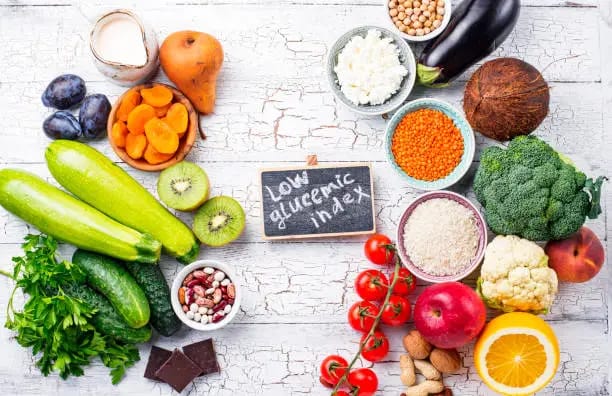
We all want to keep our bodies strong, energized, and lean as we age or try to lose weight. And while most people focus only on the scale, what really matters is preserving your lean muscle mass.
Muscles keep your metabolism humming, help you stay active, and support your overall health. The secret to doing this isn't just protein. It’s about choosing the right kind of carbs and fats. We're talking about low-glycemic foods.
What’s "Low-Glycemic"?
High-glycemic foods, such as white bread, sugary drinks, and most candy, cause a rapid and extreme rise in blood sugar. This sharp spike is quickly followed by a steep drop, often leaving you fatigued, intensely hungry, and craving more unhealthy foods.
Low-glycemic foods break down slowly. This gives your body a steady, long-lasting supply of energy. This stable energy is essential for muscle preservation. When your blood sugar spikes and crashes wildly, your body is more likely to store fat and even start using muscle for energy. A stable blood sugar level sends a different signal. It tells your body that energy is coming in reliably, so it's safe to keep your muscles.
Muscle-Saving Foods
So, which foods should you grab? Pair these low-glycemic options with good protein (like chicken, fish, eggs, beans, or tofu) for the ultimate muscle-preserving combo.
1. Non-Starchy Veggies:
Fill half your plate with these. They're packed with nutrients and fiber for almost no blood sugar impact.
Examples: Broccoli, spinach, kale, peppers, mushrooms, cauliflower, zucchini, and green beans.
The Muscle Benefit: Their fiber and nutrients reduce inflammation and help your body use protein more effectively to repair and build muscle.
2. Smart Carbs:
These carbs give you energy without the crash, fueling your workouts and daily life.
Examples: Sweet potatoes, lentils, chickpeas, black beans, quinoa, old-fashioned oats, and most whole-grain breads (look for "100% whole wheat" or "sprouted").
The Muscle Benefit: They provide the steady energy you need to crush your workouts. Without enough good carbs, your body might start burning muscle instead of fat and carbs for fuel.
3. Healthy Fats:
Fats don't spike blood sugar at all. They keep you full and satisfied for hours.
Examples: Avocados, nuts (like almonds and walnuts), seeds (like chia and flax), and olive oil.
The Muscle Benefit: Fats help your body absorb key vitamins and keep hormone levels (like testosterone, important for muscle maintenance) in a healthy range.
4. Fruits:
Most fruits are low to medium glycemic thanks to their fiber. Just eat the whole fruit, not just the juice.
Best Picks: Berries (strawberries, blueberries), apples, pears, cherries, and oranges.
The Muscle Benefit: They offer antioxidants that help repair the microscopic damage to muscles caused by exercise, helping you recover faster.
Why This Combo Works
When you build meals around low-glycemic foods and protein, magic happens:
You control hunger. No energy crashes means no desperate snacking.
You fuel exercise. Steady energy means better workouts.
You protect muscle. Your body stays in "build and maintain" mode, not "panic and burn muscle" mode.
You lose the right weight. You're more likely to lose fat while holding onto precious muscle.
Simple Steps to Start Today
You don't need a complicated diet. Just make a few smart swaps:
Swap white rice for quinoa or lentils.
Swap sugary breakfast cereal for old-fashioned oats with berries and nuts.
Swap potato chips for a handful of almonds or carrot sticks with hummus.
Make sure every meal has a protein source and a low-glycemic veggie.
Remember, the goal isn't just to be lighter. It's to be stronger, more energetic, and more resilient. By choosing low-glycemic foods, you're not just dieting. You're giving your body the high-quality, slow-burning fuel it needs to preserve the muscle that keeps you strong for life. Start with one swap, and feel the difference in your energy.
BIOHACKING⚡
The 10-Minute After-Meal Walk: Your Super-Simple Health Upgrade

You just finished a meal. Maybe you’re feeling a little full, a bit tired. Your first instinct is probably to sit down on the couch or get right back to your desk. But what if changing that one habit could be one of the best things you do for your body? And the best part—it only takes 10 minutes!
The simple act of taking a short, easy walk after you eat is a powerful health hack. It demands nothing but ten minutes and a little space to move. Your feet are the only equipment required.
Let’s break down why this tiny habit works so well.
It Tames Your Blood Sugar
When you eat, especially meals with carbs (like bread, pasta, or fruit), your blood sugar rises. That’s normal. But a big, fast spike isn’t great for your energy or your health over time.
Your muscles need fuel to move. When you walk right after eating, your muscles soak up that sugar from your blood to use for energy. This means your body doesn’t need to produce as much insulin (the hormone that manages blood sugar). The result is a much smoother, gentler rise in blood sugar. It’s a simple trick with a huge payoff for your energy and long-term health.
It Helps Your Body Recover and Digest
That post-meal slump is real. Walking is a gentle signal to your body that it’s time to be active, not shut down. A casual walk increases blood flow throughout your body. This helps your digestive system do its job more efficiently, moving food along and reducing that bloated, heavy feeling. Think of it as giving your gut a gentle massage from the inside. You’ll likely be clearer-headed and feel less sluggish getting back to your day.
It Boosts Fat Loss
Yes, a ten-minute walk burns a few calories, but that’s not the main thing. The blood sugar benefit is key. When your blood sugar is stable, you avoid the wild crashes that lead to intense cravings and snacking on junk food an hour after you eat. By keeping those cravings in check, you naturally eat less overall. Plus, steady energy means you’re more likely to be active later. It’s a positive cycle that supports your fat loss goals without any drastic dieting.
How to Make It Work For You
Keep it short. Aim for 10-15 minutes. You don’t need to go for a full hour.
Keep it easy. This isn’t a power walk or jog. A leisurely pace is perfect. You should be able to hold a conversation easily.
Timing is everything. Try to start your walk within the first 30-60 minutes after finishing your meal, when blood sugar starts to rise.
Don’t overcomplicate it. Walk around the block, pace while on a phone call, or do a few laps around your office or house. That’s it.
This isn’t another hard-to-follow health rule. This is an effortless upgrade to your existing routine. Just walk after you eat. It’s a mental reset and a physical boost, rolled into one.
So, tonight, after dinner, instead of heading straight for the couch, just put on your shoes and step outside for ten minutes. Your body will thank you after your walk.
Strong Body. Calm Mind. Smarter Long-Term Planning.

You plan your workouts.
You watch what you eat.
You think years ahead about how you want to live.
But most people never apply that same long-term thinking to their money.
Index Universal Life (IUL) insurance is a long-term planning tool that helps protect your family and build money you can use later in life. It’s not about chasing returns or timing the market. It’s about stability, flexibility, and options.
Why some longevity-minded people use IULs:
🛡️ Protection if life takes an unexpected turn
📈 Growth potential without direct market risk
🔄 Flexibility for retirement income or future healthcare
Think of it as a financial safety net that grows while you focus on staying healthy.
👉 Want the free Longevity Money Playbook?
Just reply to this email with the word “LONGEVITY” and I’ll send it over personally.
CHALLENGE💪
Challenge of the Week: The Power & Speed Switch-Up

This week, your mission is simple: Split pure strength and pure speed into separate days. Your goal is to complete two Strength Days and two Sprint Days.
1. The Schedule (Follow This Pattern):
Day 1: Strength Day
Day 2: Sprint Day
Day 3: Rest or Easy Walk
Day 4: Strength Day
Day 5: Sprint Day
Weekend: Celebrate! Be active for fun (hike, bike, play).
2. Strength Day Checklist:
Task: Pick 3-4 big exercises. Examples: Squats, Push-Ups, Rows, Shoulder Press.
How: Use a weight or version that feels HEAVY. You should only be able to do 5-8 reps.
Key Rule: Rest for 2 FULL MINUTES between sets. Walk around. Catch your breath. This is non-negotiable.
Finish Feeling: Powerful, not panting.
3. Sprint Day Checklist:
Task: Find a hill, track, or field. You will do 6 all-out sprints.
How: Sprint as fast as you can for 10-15 seconds. Give it 100%.
Key Rule: Rest COMPLETELY for 90 seconds between sprints. Walk back. Breathe. Don't start the next one until you're mostly recovered.
Finish Feeling: Explosive, not exhausted.
This is your blueprint for a stronger, faster week. No long workouts. Just clear, hard effort. Are you in?
Tag a friend to try the challenge with you! Who will take the week's switch-up with you?
QUOTE OF THE WEEK 💬
"He who conquers others is strong; he who conquers himself is mighty." — Lao Tzu

Men, Say Goodbye to Eyebags, Dark Spots & Wrinkles

Reduce eyebags, dark spots and wrinkles with the first of its kind anti-aging solution for men.
Based on advanced dermatological research, Particle Face Cream helps keep your skin healthy and youthful, ensuring you look and feel your best every day.
Get 20% off and free shipping now with the exclusive promo code BH20!
REWARDS 🥇
MERCH 👕

 Janelle: Women’s Tee |  Patrick: Coffee Mug |
 Melissa: Unisex Hoodie |  Rodney: Trucker Hat |
Spread the Word!
If you found this content informative, thought-provoking, entertaining, enjoyable, life-saving, or simply awesome, don’t be greedy! Share. It’s FREE!

Reply