- MOTIVSPRINT
- Posts
- The Secret Stretch: Get Stronger and More Flexible at the Same Time
The Secret Stretch: Get Stronger and More Flexible at the Same Time

Lyle Agagon
December 04, 2025
EXERCISE 🏋️♂️

You bend forward to touch your toes. That familiar tight pull runs down the back of your legs, your hamstrings. You hold the stretch, hoping to loosen up. This is a classic “static stretch,” and it’s totally fine.
But what if your stretch could do more? What if, instead of just holding the position, you could actually build strength in it?
That’s what loaded stretching does. You’re not just pulling on your muscles, you’re making them work under tension while they’re stretched out. It’s like hitting two goals at once. Some people call it “prehab strength” because it works like pre-emptive rehab. It builds strength in your most vulnerable positions to help prevent injuries before they happen.
Let’s stick with the hamstring example. Instead of just folding forward to touch your toes, imagine doing a “loaded” version.
The Romanian Deadlift: A Loaded Hamstring Stretch
You don’t need heavy weights. A pair of light dumbbells, a kettlebell, or even a gallon of water works just fine.
Stand tall, holding the weight in front of your thighs.
Keep your back straight and your knees slightly bent. Push your hips back like you’re closing a car door with your butt.
Let the weight slide down your legs as you feel a deep stretch in your hamstrings.
Once you hit a strong stretch (but not pain), squeeze your glutes to pull yourself back up to standing.
This makes your hamstrings work hard while they’re fully lengthened. You didn’t just sit in a stretch. You strengthened the stretch. This teaches your body to stay powerful and stable through your full range of motion.
The Benefits of Loaded Stretching
Loaded stretching has real advantages that simple stretching or simple lifting don’t always give you on their own.
Builds a Resilient Body
Most injuries happen when you're off-balance or in an awkward position. Loaded stretching strengthens your muscles where they’re weakest, when they’re long and stretched out. That’s true “prehab.”
Builds Useful Strength
It trains you to be strong at the beginning, middle, and end of a movement. Everyday actions—lifting a box, reaching down, catching yourself from a slip—become easier and safer.
Creates Lasting Flexibility
Static stretching often fades within minutes. But when you strengthen a muscle while it’s stretched, you teach your body that being flexible is both safe and helpful. You gain mobility you can actually use.
Start the Safe Way
This method is powerful, so ease in with intention.
Start Light and Start Slow: The goal is a strong stretch with muscle tension—not lifting max weight. Light weights or even bodyweight are perfect.
Focus on the Feel, Not the Depth: Don’t force the deepest stretch. Focus on keeping control while the muscle works in that stretched range.
No Pain: A deep pull is fine. Sharp, stabbing, or joint pain is not. Stop if you feel that.
Breathe: Exhale as you move into the stretch, inhale as you return.
Not Just for Hamstrings
You can use loaded stretching almost anywhere:
Chest: Hold a light band and pull it apart gently as you stretch your chest forward.
Hips / Groin: Sit in a deep squat (if comfortable) and press your elbows lightly into your knees.
Calves: Do calf raises on a step, lowering your heels slowly below the step to stretch your calves under tension.
The Takeaway
Loaded stretching teaches your body that it’s built to move and handle load at the same time. When you blend the two, you build a body that’s stronger, more mobile, and less likely to get hurt.
Next time you stretch, add a little resistance. That one small shift—from just stretching to strengthening while you stretch—might be the best upgrade you ever give your body.
Your future self will feel the difference.
NUTRITION 🥑
The Good Fats That Fight Inflammation
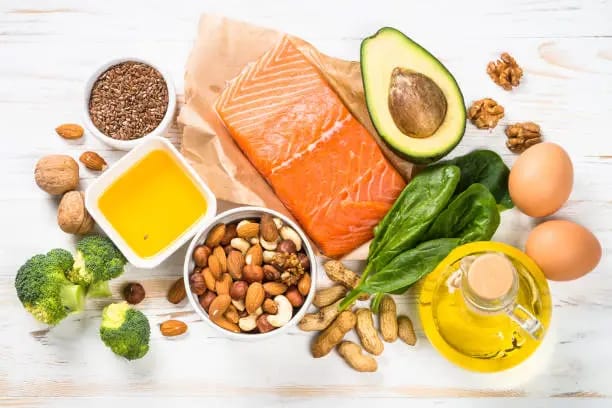
Imagine you get cut, or you sprain an ankle. The area gets red, warm, and swollen. That’s inflammation. It’s your body’s way to heal an injury, which is a good thing.
However, sometimes this system malfunctions. It creates constant, low-level swelling with no real cause. This "silent" inflammation is a major driver of chronic pain, heart disease, and other long-term illnesses.
The Two Fats That Control Inflammation
Omega-6 fats trigger the body’s inflammatory response. This is useful in small amounts, but these fats are common in many modern foods and cooking oils—especially corn, soybean, and sunflower oil—so most people take in much more than they need.
Omega-3 fats help lower inflammation and support recovery throughout the body. They play a major role in keeping inflammation from becoming chronic.
Because Omega-6 fats are everywhere in the typical diet and Omega-3 fats are much harder to get, many people end up with an imbalance that pushes the body toward more inflammation than it needs.
Fish Oil: The Most Effective Source of Omega-3s
Fish oil provides two highly active Omega-3 fats, EPA and DHA. Your body absorbs and uses them quickly to lower inflammation and support overall health.
Where to get them:
The richest food sources are fatty, cold-water fish such as salmon, sardines, mackerel, herring, and trout. Eating these fish a couple of times per week is one of the easiest ways to raise your EPA and DHA levels.
What they do:
EPA and DHA help reduce inflammatory chemicals in the body, support smoother joint movement, improve heart function, and contribute to better brain and mood health. These Omega-3s work at the cellular level, making them especially powerful for long-term wellness.
GLA: A Unique Omega-6 That Actively Reduces Inflammation
GLA (Gamma-Linolenic Acid) is an uncommon form of Omega-6 fat that supports the body’s anti-inflammatory pathways instead of promoting inflammation. Once absorbed, your body converts GLA into compounds that help calm and regulate the inflammatory response.
Where to get it:
GLA isn’t widely found in everyday foods. The most reliable sources are Evening Primrose Oil, Borage Oil, and Black Currant Seed Oil, typically taken as dietary supplements.
What it does:
GLA can help reduce skin irritation and dryness, support more balanced hormones, and ease certain types of arthritis-related pain. It’s especially useful for people whose bodies struggle to manage inflammation on their own.
How to Bring These Fats Into Your Life
Eat More Fatty Fish: Try a salmon burger, a tuna salad sandwich (made with real tuna!), or some sardines on toast. It’s tasty and effective.
Balance Your Oils: Try using more olive oil and avocado oil for everyday cooking and less oils super high in Omega-6s, like corn or soybean oil.
Add Seeds: Flaxseeds and chia seeds give you plant-based Omega-3s. Sprinkle them on yogurt or oatmeal.
Supplements Can Help: If you really don’t like fish, a fish oil supplement is a reliable backup. If you have specific issues like dry skin or painful periods, you might look into a GLA supplement. But as always, talk to your doctor before starting any new supplement. They can help you pick the right one and the right dose.
Remember, you can’t see chronic inflammation, but you might feel its effects. Adding these good fats is one of the easiest ways to help your body stay calm, heal better, and feel good for the long run.
BIOHACKING⚡
Can Infrared Saunas Soothe Your Achy Joints?
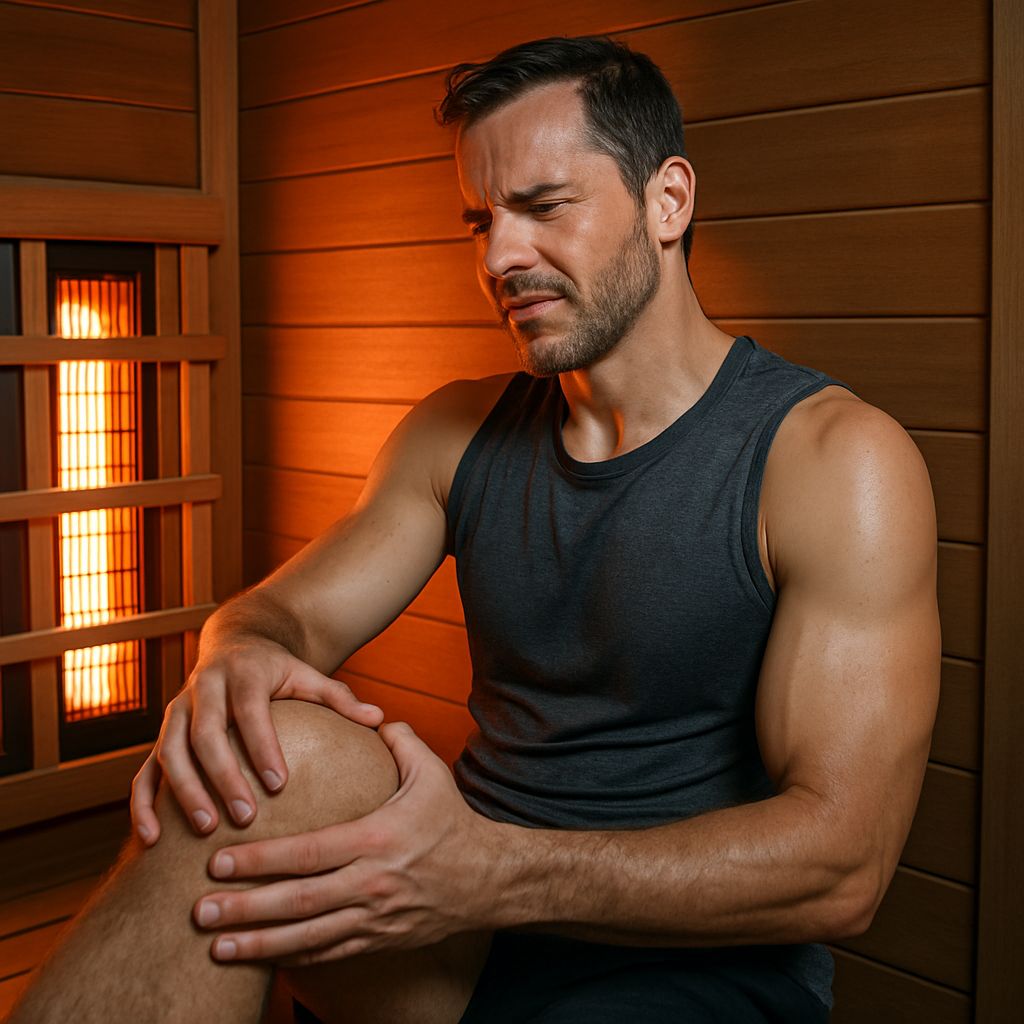
You get up from the couch or step out of bed, and your knees, hips, or shoulders feel stiff and achy. Maybe it’s from an old sports injury, a long day of work, or just the wear and tear of everyday life. Joint pain can be a real drag, slowing you down and making simple tasks harder.
People are always looking for ways to feel better, and one method that’s getting a lot of attention is the infrared sauna. You might have seen these sleek, wooden boxes at a gym. They’re like regular saunas, but with a different kind of heat.
What’s Different About Infrared?
A traditional sauna heats the air around you very hot. You sit in that hot air, and your body heats up from the outside in. It can feel great, but it’s also intense, and some people find it hard to breathe in that thick, hot air.
An infrared sauna uses special heaters that give off a type of light you can’t see. This light doesn’t heat the air much. Instead, it passes through the air and heats your body directly. It’s the same feeling as the sun’s warmth on your skin on a cool day. The air might be chilly, but the sun’s rays warm you deep down.
Because of this, infrared saunas work at a lower temperature (usually between 110°F and 140°F) than traditional saunas. It’s a gentler, more comfortable heat that many people can tolerate for longer.
The Warmth Goes Deep: How It Might Help Your Joints
Here’s how this deep, soothing heat may help:
Boosts Blood Flow
Infrared heat increases circulation in your muscles and tissues. More blood flow means more oxygen and nutrients delivered to sore joints—like sending a repair crew to the site of your aches.
Eases Stiffness
Heat naturally relaxes tight muscles and connective tissues around the joints. This can make bending, stretching, and moving feel easier.
Reduces Inflammation
Inflammation is helpful short term, but painful when it lingers. Some studies suggest infrared heat may help reduce certain markers of inflammation. Less inflammation often means less pain.
Promotes Relaxation
Joint pain isn’t only physical—it’s stressful. Sitting in the quiet, warm environment of a sauna can lower stress levels. When stress drops, muscles relax and pain often eases.
What to Expect and How to Stay Safe
If you’re thinking of trying an infrared sauna for your joints, here’s the simple plan:
Start Slow: Begin with 10–15 minutes. See how your body responds. You can gradually work up to 20–40 minutes.
Hydrate Well: You will sweat. Drink water beforehand and replenish afterward.
Listen to Your Body: You want gentle warmth, not overheating. If you feel dizzy, nauseous, or uncomfortable, step out.
Cool Down: Sit for a few minutes after your session. Sip water and allow your body temperature to settle. A lukewarm shower can feel great.
Talk to Your Doctor: Especially if you have heart issues, low blood pressure, or are pregnant.
Here’s the Deal
Infrared saunas won’t fix a serious injury or reverse arthritis. But for many people, they can be a powerful and relaxing tool.
This direct warmth helps your body relax tight muscles, improve circulation to stiff joints, and reduce overall tension. It's an effective way to actively manage daily aches and give both your body and mind a complete break.
If you're dealing with persistent joint discomfort, this kind of targeted, soothing heat could be a helpful part of your routine.
CHALLENGE💪
Challenge of the Week: Upgrade Your Stretch

1. Pick Your Stretch
Choose one stretch you already do, such as:
Hamstring stretch (reaching for your toes)
Calf stretch (leaning against a wall)
Chest stretch (doorway stretch)
2. Add the “Load”
Now repeat the stretch, but add a small amount of gentle strength work.
For your hamstrings:
Do the Romanian Deadlift we talked about using a light weight (a water bottle or a single dumbbell works great).
For your calves:
Stand on a step. Lower your heels slowly past the step, then push back up onto your tiptoes. Do 8 slow, controlled reps.
For your chest:
Stand in a doorway with your hands on the frame. As you lean forward, gently try to “pull” the doorway apart for 5 seconds. Relax, then repeat 3 times.
3. Do It 3 Times This Week
Perform this new “loaded” version of your stretch just three times this week. That’s it!
The Goal
Don’t aim for the deepest stretch or the heaviest weight. Focus on the feeling—your muscle working while it’s long. Notice the difference between simply stretching and strengthening in the stretch.
Give it a try and upgrade your stretch this week!
QUOTE OF THE WEEK 💬
“Success isn’t always about greatness. It’s about consistency. Consistent hard work gains success. Greatness will come.” – Dwayne Johnson

REWARDS 🥇
MERCH 👕

 Janelle: Women’s Tee |  Patrick: Coffee Mug |
 Melissa: Unisex Hoodie |  Rodney: Trucker Hat |
Spread the Word!
If you found this content informative, thought-provoking, entertaining, enjoyable, life-saving, or simply awesome, don’t be greedy! Share. It’s FREE!

Reply