- MOTIVSPRINT
- Posts
- Unlock Your Gains: The Guide to Building Muscle Faster
Unlock Your Gains: The Guide to Building Muscle Faster

Lyle Agagon
November 06, 2025
Sponsored by

EXERCISE 🏋️♂️

You’re in the middle of a tough set, lifting a heavy weight. Your muscles are burning, and that last rep feels almost impossible. Your brain is telling you just to put the weight down and call it a day.
But it’s in that exact moment of struggle that hides the secret to building muscle faster. It all comes down to two smart techniques called cluster sets and rest-pause training.
These methods as clever tricks to help your muscles do more work. You don't necessarily need heavier weights, you just need a smarter plan. Let's break down how these techniques work in simple terms.
The Cluster Set
Normally, you might do a "set" of, say, 8 reps in a row without stopping. A cluster set is like breaking that one big set into mini-sets with very short breaks in between.
Here’s How it Works
Let's say your goal is to do 8 reps with a heavy weight. Instead of trying to do all 8 at once and failing on rep 6, you would:
Do 3 reps.
Put the weight down and rest for 15-20 seconds (just enough time to take three deep breaths).
Pick the weight back up and do 2 or 3 more reps.
Rest for another 15-20 seconds.
Finish with your last 2 reps.
Boom! You just did all 8 reps with a weight that was too heavy to do for 8 reps straight. You "clustered" them together with tiny pauses.
Why This Works
During those super-short breaks, your muscles get just enough of a breather to clear out a little bit of the burning fatigue. This lets you push for more high-quality reps with good form. More good reps = more muscle growth.
The Rest-Pause
Rest-pause training takes the idea of a cluster set and turns up the intensity. This method is all about pushing to your absolute limit and then fighting for just a little bit more.
Here’s the Simple Version
You pick a weight that you can only lift for about 6-8 reps if you did them all at once.
But instead, you lift it until you literally can’t do another rep. Let's say you get 5 reps before failure.
You put the weight down and rest for a short period—maybe 20-30 seconds.
Then, you pick it up again and do as many reps as you can. This might only be 2 or 3 reps.
You rest for another 20-30 seconds.
You go one last time, squeezing out every last rep you possibly can, maybe just 1 or 2.
You’ve just taken one set and turned it into three brutal mini-sets, forcing your muscles to work far beyond what they thought was possible.
Why This is a Game-Changer for Muscle Growth
Our muscles grow when we give them a reason. If you always do the same easy 3 sets of 10, your body gets bored and stops changing. These techniques shock your muscles into growing.
You Lift Heavier, Better: By breaking up the work, you can use heavier weights than normal and still control them perfectly. This tells your body, "Hey, we need to get bigger and stronger to handle this!"
More "Quality" Reps: The reps you do at the end of a normal set are usually sloppy and weak. With cluster and rest-pause, every rep is strong and effective because you’re not as tired.
The "I'm Stuck!" Signal: Pushing your muscles to absolute failure and then past it sends a strong signal that you need to adapt and build more muscle tissue.
How to Start Without Losing Your Mind
These techniques are intense! You can’t do them for every exercise, or you’ll be exhausted. Here’s a safe way to start:
Pick One Exercise: Choose your main lift for the day. This works great for moves like dumbbell bench press, barbell rows, or shoulder presses.
Use it Once a Week: Try replacing one of your normal sets with a cluster or rest-pause set. Don’t do it for your whole workout.
Keep the Rests Short: The magic is in the short rest. Don't let your 20-second break turn into 2 minutes. Use a timer!
Listen to Your Body: This is hard work. If you feel overly sore or tired, take an extra day off. Growth happens when you rest.
Push Through That Wall
So, the next time you’re in the gym and you hit that wall of fatigue, remember that that’s not the end. It’s just the beginning. By using cluster sets and rest-pause, you can push through that wall and unlock a whole new level of muscle growth. Happy lifting.
NUTRITION 🥑
Simple Hacks for Insulin Sensitivity

I’m sure you’ve heard of insulin before. It’s a hormone in your body that acts like a cleanup crew for your blood. When you eat carbs (like bread, fruit, or pasta), they turn into sugar in your blood. Insulin’s job is to move that sugar out of your blood and into your cells, where it’s used for energy.
Being insulin sensitive means your body is really good at this cleaning process. A little bit of insulin does the job quickly. Your body doesn't have to work hard to keep your blood sugar stable.
But if you become insulin resistant, it means your body has to pump out a lot more insulin to get the same job done. This can make you feel tired and lead to health problems. No bueno.
The good news is that exercise makes your body more insulin sensitive. And you can boost this effect by being smart about when you eat your carbs. Let's talk about some simple hacks, especially around your workouts.
Hack #1: Less Is More (Pre-Workout)
What you eat before you exercise can change how your body responds.
The Basic Idea
For most workouts, less is more before you start. If you’re doing a normal workout—like a 30-60 minute session of weightlifting, a jog, or a bike ride—you might not need to eat any carbs right before. In fact, working out in a slightly fasted state (like before breakfast or a few hours after your last meal) can be a great hack.
Why it Works
When you haven’t just eaten, your insulin levels are low. Your body isn't getting a fresh supply of sugar from food. So, during your workout, it has to become more efficient. It starts pulling the stored sugar (called glycogen) out of your muscles and liver to use as fuel. This process helps train your body to be better at using the energy it already has, which improves insulin sensitivity.
What to do:
If you work out in the morning, try doing it before breakfast. Just drink some water or black coffee.
If you work out later, try to have your last meal 2-3 hours before you start. This gives your body time to digest.
The Exception
If you’re about to do a really long or intense session (like running for over 90 minutes or a super hard fitness class), then your body will need some quick fuel. In that case, a small, easily digestible carb snack like a banana, a small piece of toast, or an energy gel, 30-60 minutes before, is a good idea.
Hack #2: The Magic Window (Post-Workout)
This is where the real magic happens. After you finish exercising, your muscles are like dry sponges, desperately looking for sugar to refill their empty energy stores.
The Simple Rule
The hour after your workout is the best time to eat carbs. Don't be afraid of them! This is actually a golden opportunity. Because your muscles are so hungry, they don't need much insulin to open up. The sugar you eat gets sucked directly into your muscles without causing a big spike in your blood sugar or insulin.
Why it works
You are feeding your muscles exactly when they are ready to eat. This helps you recover faster, makes your muscles stronger, and teaches your body to use insulin well. This practice makes your entire body more insulin sensitive over time.
What to do:
Try to eat a meal with a good source of carbs and some protein within an hour after you finish your workout.
Great post-workout meal ideas:
A protein shake with a banana blended in.
Chicken with sweet potato and broccoli.
Scrambled eggs on whole-wheat toast.
Greek yogurt with some berries.
The carbs rush in to refill your muscles, and the protein helps repair and build them. It’s a win-win.
Putting It All Together
Morning Version:
Morning Workout: You wake up and drink a glass of water. You go for a run or hit the gym. You’ve just worked out in a fasted state, giving your insulin sensitivity a little nudge.
Post-Workout Meal: Right after, you have a solid breakfast like oatmeal with berries and a scoop of protein powder. Your muscle sponges soak up all that good carbohydrate energy efficiently.
Evening Version:
Afternoon Workout: You have a normal lunch at 12 PM. You go to the gym at 5 PM. You haven’t eaten for a few hours, so your insulin is low.
Post-Workout Dinner: After the gym, you have dinner with lean protein and a carb like brown rice or quinoa. Your body uses that fuel perfectly for recovery.
The Bottom Line
You don’t need a crazy diet or complicated plan. Just by timing your carbs around your workouts, you can hack your body’s system.
Before: Often better with less, so your body learns to use its stored energy.
After: Always better with good carbs, so your hungry muscles can refuel efficiently.
This simple strategy can make a big difference. It helps you manage your energy, build a stronger body, and keep you healthy for the long run.
BIOHACKING⚡
Your Secret Recovery Weapon: Getting Chilly After You Lift

You just finished a tough workout. You’re hot, sweaty, and tired. Your first thought is probably to grab a water bottle and maybe sit down. But what if I told you that one of the best things you could do for your body is to get cold?
It turns out that using cold temperatures to help your body recover after lifting weights is a powerful hack. Scientists call it "cold thermoregulation.". Think of it as a cool-down for your muscles.
Why Your Body Heats Up
When you lift, you’re causing tiny, microscopic tears in your muscle fibers. This is how muscles grow. Your body repairs these tears, making the muscles stronger and bigger.
This process causes inflammation. Inflammation is a natural and needed response from your body. It sends extra fluid and healing cells to the damaged muscles to start fixing them.
However, sometimes this healing response can be a little too strong. It can cause more swelling and soreness than is helpful. This is the deep soreness you feel a day or two later, which is known as "DOMS" (Delayed Onset Muscle Soreness).
How Cold Comes to the Rescue
This is where the cold steps in. When you apply cold to your body after a workout, you’re doing a few really helpful things:
It Reduces Swelling: Cold is a natural anti-inflammatory. It causes your blood vessels to tighten up. This helps limit the swelling and inflammation in your tired muscles.
It Numbs the Pain (In a Good Way): Cold slows down nerve signals. This means the messages of soreness traveling to your brain are delayed. You’ll feel less pain, which can make it easier to move while you recover.
It Helps Calm Your Nervous System: A hard workout doesn't just stress your muscles, it stresses your whole system. A blast of cold shifts your body from a state of high alert to a more relaxed, recovery-focused state.
Simple Ways to Get Your Cold On
You don’t need an expensive ice bath or a fancy machine to get the benefits. Here are a few easy ways to try it:
A Simple Ice Pack: This is the easiest place to start. Just wrap an ice pack or a bag of frozen peas in a thin towel and place it on the muscles you just worked. Keep it on for 15-20 minutes.
A Cold Shower: If you’re feeling brave, try a cool shower after your workout. You don’t need to turn it all the way to freezing. Just a comfortably cool temperature for the last 3-5 minutes can make a big difference.
An Ice Bath: This is the king of cold recovery. You fill a tub with cold water and ice, and sit in it for 10-15 minutes. It’s intense, and not for everyone, but many athletes swear by it.
Not For the Faint of Heart
If you have any heart or blood pressure issues, talk to your doctor before trying an ice bath. Always listen to your body. If you’re shivering uncontrollably, it’s time to get out and warm up.
On the Other Hand
Now, here’s the deal. Remember how we said a little inflammation is good for muscle growth? Some studies suggest that using intense cold immediately after every single workout might slow down your muscle gains a tiny bit. By reducing inflammation so effectively, you might be interrupting the full muscle-building signal.
So, what should you do?
Use cold recovery on days when you are really sore, or when you don’t have another hard workout planned for the next day or two. If your main goal is to build as much muscle as possible, you might not want to ice yourself after every lift. But if your goal is to feel less sore and recover faster so you can get on with your day, then cold is an amazing tool.
Get Chilly With It
Using cold after you lift is a simple, powerful way to tell your body it’s time to start healing. It’s like hitting a "reset" button on your muscles. It can cut down on soreness, reduce swelling, and help you feel better faster.
So next time you finish a tough session, don’t be afraid to get chilly with it. Your muscles will thank you for it.
Stay Calm, Energized & Radiant This Season
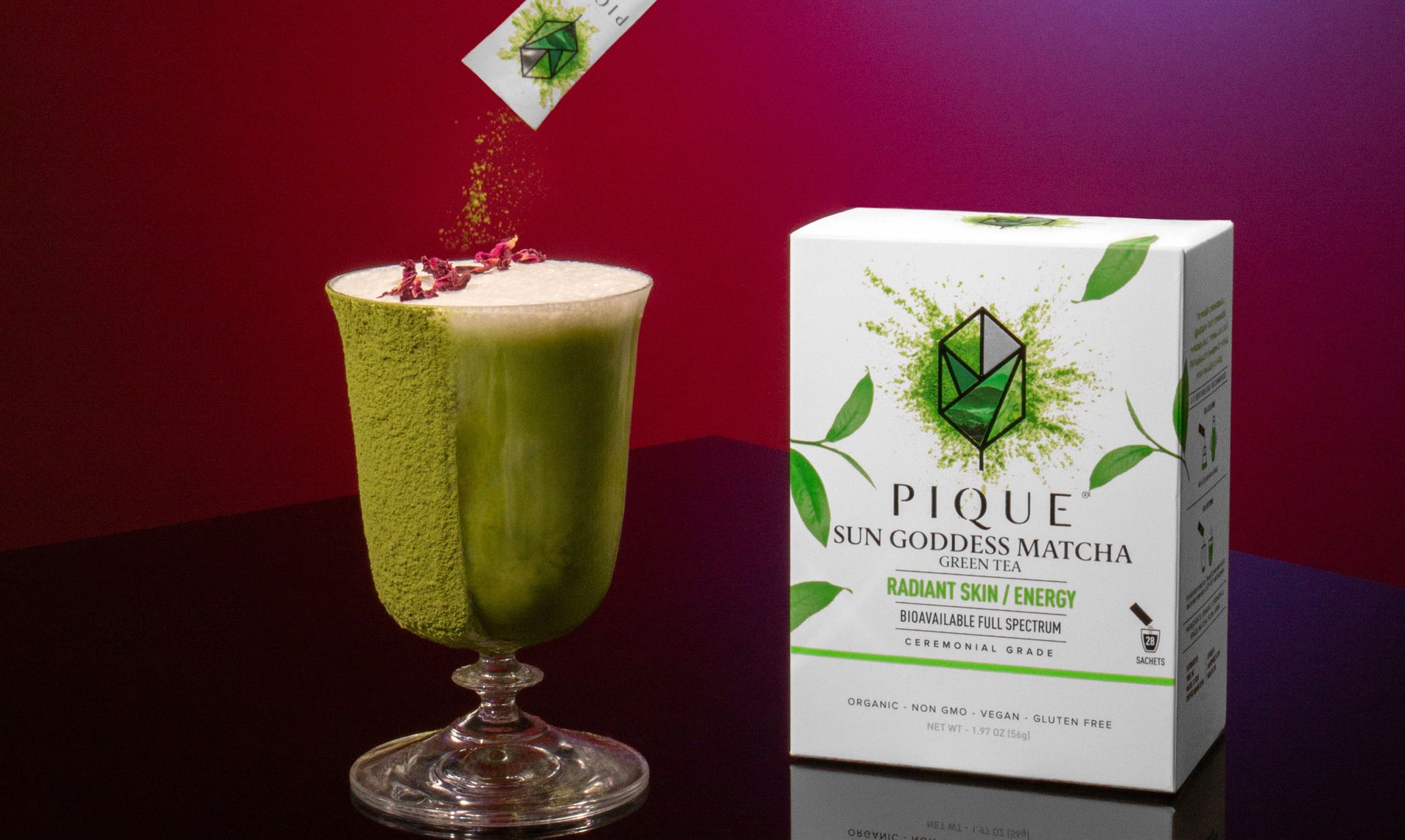
The holiday rush is here—don’t just survive it, glow through it. Start every day with Pique’s Sun Goddess Matcha, the ultimate ritual for calm focus, sustained energy, and radiant skin. Unlike coffee, which spikes and crashes your energy, this matcha keeps you steady, alert, and glowing from within. Crafted by Japanese tea masters in Kagoshima, it’s ceremonial-grade, organic, and shaded longer for higher L-theanine and chlorophyll—meaning more calm, more clarity, and a daily dose of antioxidants that support skin, detox, and immunity.
This isn’t just a drink—it’s your secret to thriving through the season. And now’s the perfect time to stock up or gift it. For a limited time, get up to 20% off for life + free gifts.
✨ Elevate your ritual. Energize your glow.
CHALLENGE💪
Challenge of the Week: The One-Set Burnout

Your Mission:
We're going to try the rest-pause technique on just one exercise. Pick one of your main lifts for the week.
Dumbbell Bench Press
Leg Press
Seated Shoulder Press
Lat Pulldowns
Here’s What You Do:
Warm up like you normally would.
Load the bar or pick up the dumbbells with a weight you could usually lift for about 8-10 reps before failing.
Go all out. Lift the weight until you absolutely, positively cannot do another rep with good form. Don't cheat to get one more—stop when it gets really grindy.
Rack the weight and rest for 20 seconds. Just 20! Take a few deep breaths.
Go again! Pick the weight back up and do as many reps as you can. It might only be 2 or 3. That’s perfect.
Rest another 20 seconds.
Go for the final round. Squeeze out every last rep you have in you. Even if it's just one!
Congratulations! You just turned one regular set into a massive muscle-building powerhouse.
The Goal: Don't do this for every exercise. Just try it once. The goal is to shock your muscles in a new way and feel what it's like to push past your normal stopping point.
Let us know which exercise you picked and how it felt! Good luck
QUOTE OF THE WEEK 💬
“Tough times don't last, but tough people do.” — Robert Harold Schuller

REWARDS 🥇
MERCH 👕

 Janelle: Women’s Tee |  Patrick: Coffee Mug |
 Melissa: Unisex Hoodie |  Rodney: Trucker Hat |
Spread the Word!
If you found this content informative, thought-provoking, entertaining, enjoyable, life-saving, or simply awesome, don’t be greedy! Share. It’s FREE!

Reply